

Category: Uncategorized
Can an Emergency Dentist Save a Knocked-Out Tooth?

When a permanent tooth is knocked out, it should be treated as a dental emergency and evaluated as soon as possible. The sooner the tooth is cared for and kept moist, the better the chance it can be successfully replanted. If you need an emergency dentist in Langley, contact a dental office right away and begin appropriate first aid while travelling to your appointment.
What Is a Knocked-Out Tooth?
When a permanent tooth is completely removed from its socket because of an injury, it is known as a knocked-out or avulsed tooth. Unlike fractures that affect only part of the tooth, a knocked-out tooth also disrupts the root and the supporting structures that keep the tooth securely in its socket.
These delicate ligament cells are essential for successful healing. If they become damaged or dry out, the likelihood of successful reimplantation decreases. For this reason, protecting the tooth before you reach the dental office is just as important as receiving prompt treatment.
These recommendations apply only to permanent teeth. Baby teeth are generally not replanted because doing so may interfere with the development of the permanent tooth underneath.
Why Time Is Critical After a Tooth Is Knocked Out
The sooner a knocked-out tooth is returned to its socket, the greater the chance that it can heal successfully. As more time passes outside the mouth, the living cells covering the root surface become less likely to survive, making reimplantation more challenging.
Even if the tooth has been out of the mouth for some time, seek emergency dental care without delay. Factors such as how the tooth was stored, the condition of the root, and the extent of the injury all influence the treatment approach.
What to Do Immediately After the Injury
The first few minutes after the injury can have a lasting impact on the outcome.
If a permanent tooth has been knocked out:
- To reduce the risk of damaging the tooth, grasp it by the crown and avoid contact with the root.
- If dirt is present, gently rinse it with saline solution or milk. If neither is available, use clean running water for only a few seconds. Do not scrub or dry the root.
- When possible, carefully place the tooth back into its socket and gently bite on clean gauze to help stabilize it.
- If replantation is not possible, keep the tooth moist until you receive professional care.
If you’re searching for a dentist near you, contact the dental office immediately. Early communication allows the dental team to prepare for your arrival and provide additional guidance while you’re on your way.
How to Handle and Store the Tooth Properly
Keeping the root moist is one of the most important steps after a permanent tooth has been knocked out because the cells covering its surface begin to deteriorate quickly outside the mouth.
If you cannot place the tooth back into the socket, suitable storage options include:
- Cold milk
- Saline solution
- A tooth preservation solution, if available
- Inside the person’s cheek only if they are alert and there is no risk of swallowing the tooth
Avoid wrapping the tooth in tissue, storing it dry, or leaving it in tap water for an extended period. These conditions can damage the root surface and reduce the chances of successful healing.
What Happens During Emergency Dental Treatment
Your emergency appointment begins with a careful examination of the injured tooth, the socket, and the surrounding tissues. Dental X-rays may be taken to identify root fractures, damage to the supporting bone, or other injuries that are not visible during a clinical examination.
If the tooth is suitable for reimplantation, it is gently repositioned into the socket after the area has been assessed and cleaned when necessary. A flexible splint is usually placed to stabilize the tooth while the surrounding tissues heal. Depending on the condition of the tooth and its stage of development, additional care, such as root canal treatment, may be recommended during a follow-up visit.
Factors That Affect Successful Reimplantation
Several clinical factors influence whether a knocked-out tooth can heal successfully after reimplantation. While prompt care is one of the most important factors, it is not the only one that affects the outcome.
Your dentist will consider:
- How long the tooth remained outside the mouth
- Whether the root stayed moist after the injury
- How the tooth was handled before treatment
- The condition of the socket and supporting bone
- The stage of root development
- The presence of other dental or facial injuries
Even when a tooth cannot be replanted immediately, an examination is still important because early care can help protect the surrounding tissues and support future treatment options.
What If the Tooth Can’t Be Saved?
In some cases, the damage is too extensive for successful reimplantation. If that happens, your dentist will discuss replacement options that restore your smile while supporting long-term oral health.
Following a comprehensive evaluation, your treatment plan may include one or more of the following:
- A dental implant after healing has occurred
- A fixed dental bridge
- A removable partial denture, when appropriate
A dentist in Langley will explain the advantages of each option and recommend a treatment plan based on your oral health, the condition of the supporting bone, and your long-term goals.
Recovery and Follow-Up Care
Reimplanting the tooth is only the first step. Ongoing follow-up appointments allow your dentist to monitor healing, evaluate the supporting tissues, and identify potential complications before they become more serious.
Your aftercare instructions may include:
- Eating soft foods while the tooth stabilizes
- Brushing carefully around the injured area
- Taking prescribed medications exactly as directed
- Returning for scheduled follow-up examinations and X-rays
- Avoiding contact sports until your dentist confirms it is safe
Follow-up visits allow your dental team to monitor healing and address any concerns before they affect the long-term health of the replanted tooth.
Tips to Prevent Dental Injuries
Although not every accident can be avoided, simple precautions can lower the risk of serious dental injuries.
To help protect your teeth:
- Wear a custom-fitted mouthguard during contact sports.
- Always wear a seatbelt while travelling.
- Help prevent tooth injuries by avoiding using your teeth to tear open packages or bite hard materials.
- Replace damaged sports mouthguards when they no longer fit properly.
- Arrange a dental examination if a tooth feels loose after an injury, even if there is no pain.
Simple preventive habits can lower the risk of dental injuries and help preserve your natural teeth over time.
Frequently Asked Questions
Conclusion
Taking immediate action, keeping the tooth moist, and visiting an emergency dentist promptly can help maximize the chances of preserving your natural tooth whenever possible.
If you need an emergency dentist in Langley, contact Sage Dental Implant & Smile Centre – Langley as soon as possible after the injury. Dr. Shafiq Kara and the dental team will assess the injury, explain your treatment options, and provide prompt care focused on achieving the best possible outcome.
Author’s Bio

How Dental Implants Restore Confidence and Quality of Life
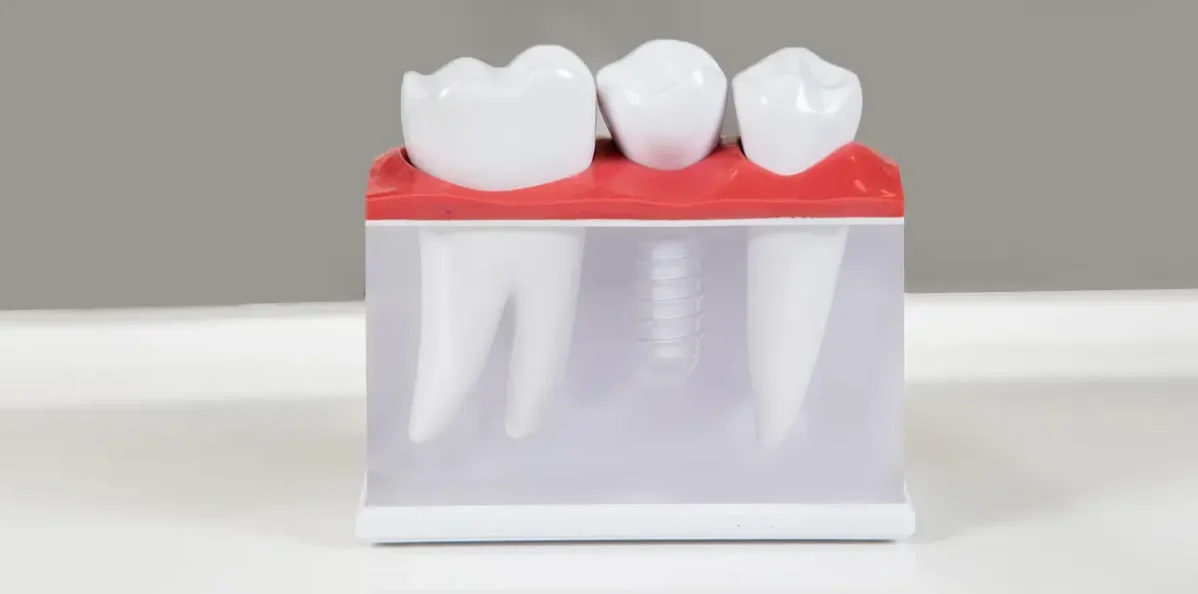
You may chew differently, smile less often, or become more aware of the gap while speaking. These changes often develop gradually, making them seem like part of a new routine. If you’re considering dental implants in Langley, understanding how they support both function and confidence can help you make an informed treatment decision.
Introduction to Dental Implants
The impact of tooth loss often goes beyond aesthetics, affecting your oral health and daily routine. Dental implants replace the natural tooth root and serve as a durable foundation for a custom crown. As the implant heals, it bonds with the surrounding jawbone, allowing the replacement tooth to feel secure during everyday activities such as eating and speaking.
Treatment is planned individually. Factors such as bone health, gum condition, and overall oral health help determine whether implants are an appropriate option. A detailed assessment by a dentist in Langley can help determine whether dental implants are the right solution for replacing missing teeth.
The Emotional Impact of Missing Teeth
The effects of tooth loss are not always physical. Some people become more conscious of smiling, while others avoid certain foods or feel less confident during conversations.
Restoring the missing tooth can reduce those daily concerns and help everyday interactions feel more natural without changing the way you express yourself.
How Dental Implants Restore a Natural Smile
A custom implant restoration is designed to complement your natural smile by matching the color, shape, and position of nearby teeth. Equally important, it stays securely in place during normal chewing and speaking.
The final appearance depends on careful planning, healthy supporting tissues, and individual healing. The goal is to create a result that looks balanced rather than drawing attention to the replacement tooth.
Improved Self-Confidence and Self-Esteem
Confidence often returns through small everyday moments. Smiling in photographs, enjoying meals with others, or speaking without thinking about a missing tooth can make daily life feel more comfortable.
Rather than creating a different smile, implant treatment aims to restore function and help people feel more at ease with their natural appearance.
Enhanced Chewing and Eating Ability
A missing tooth can change the way chewing forces are shared across the mouth. After healing, an implant-supported tooth helps restore a more balanced bite, making it easier to enjoy a wider variety of foods.
Each patient’s situation is unique, and factors such as oral health, missing teeth, and surrounding bone and gum health influence the treatment process.
Clearer Speech and Communication Benefits
Some speech sounds rely on the tongue contacting the teeth correctly. A missing tooth may subtly affect pronunciation or make you more aware of the gap while speaking. Because an implant is securely anchored, it stays stable during conversation, allowing speech to feel more natural for many patients.
Jawbone Preservation and Facial Structure Support
The jawbone relies on stimulation from natural tooth roots. When a tooth is lost, that stimulation gradually decreases in the affected area. A dental implant transfers everyday biting forces into the surrounding bone, helping maintain its function. This may also support the jaw’s natural shape over time, although results vary from person to person.
Stability Compared to Dentures and Bridges
The ideal tooth replacement option varies from person to person and depends on factors such as your oral health and long-term treatment goals. Unlike removable dentures, implants remain fixed in place and do not require adhesives. They also typically do not rely on neighbouring teeth for support, unlike some traditional bridges.
Social and Professional Benefits of a Complete Smile
Feeling comfortable with your smile can make everyday interactions feel more relaxed. Whether you’re meeting clients, attending family events, or speaking in public, replacing a missing tooth may reduce self-consciousness and allow you to focus on the conversation rather than the gap.
Long-Term Comfort and Convenience
Once healing is complete, implants become part of your regular oral hygiene routine.Healthy teeth and gums are supported by consistent brushing, flossing, and ongoing professional dental care.
Oral Health Benefits of Dental Implants
Replacing a missing tooth may help reduce unwanted movement of neighboring teeth and support a balanced bite. Although implants cannot develop cavities, the surrounding tissues still require regular care to remain healthy.
Realistic Expectations and Treatment Outcomes
Dental implant treatment takes time because healing is an important part of the process. The timeline varies depending on bone quality, overall health, and whether additional procedures are required.
Long-Term Maintenance and Care
Good home care and regular dental examinations help maintain healthy tissues around an implant. Routine follow-up appointments also allow your dental team to identify any concerns early and recommend appropriate care if needed. If you’ve been looking for a dentist near you, understanding the factors that can affect treatment timelines may help you stay on track.
Final Thoughts
More than a cosmetic solution, dental implants help restore chewing function, support adjacent teeth, and contribute to long-term oral health.
They can support comfortable chewing, clearer speech, confidence, and long-term oral health when they are appropriate for your needs. Understanding both the benefits and the commitment to ongoing care helps you make an informed treatment decision.
If you’re considering dental implants, Dr. Shafiq Kara and the team at Sage Dental Implant & Smile Center – Langley can assess your oral health, explain your treatment options, and help you decide whether implant treatment is appropriate for your individual needs.
FAQ
Author’s Bio


Teeth play a vital role in everyday activities, including eating, speaking, and preserving the alignment of the bite. Failing to replace a lost tooth can result in changes to surrounding teeth, bone structure, and the way the teeth function together.
Whether tooth loss results from injury, tooth decay, or gum disease, addressing the issue early can help reduce the risk of future complications. Understanding the potential effects of untreated tooth loss can help you make informed decisions about your oral health.
The overall effect on oral health may depend on several factors, including the location of the missing tooth, periodontal health, bite balance, and the extent of supporting bone.
A dental examination is necessary to assess these factors and determine appropriate treatment options.
Introduction to Tooth Loss and Oral Health
Many people assume that losing a tooth is primarily a cosmetic concern, especially when the missing tooth is not visible when smiling. However, every tooth contributes to the health and function of the entire mouth. Even the loss of a single tooth can affect the way teeth fit together and how chewing forces are distributed.
Without treatment, these changes may influence both oral health and everyday comfort.
Common Causes of Missing Teeth
Tooth loss occurs due to
- Advanced tooth decay
- Gum disease (periodontal disease)
- Dental trauma or accidents
- Severe infections
- Congenital conditions affecting tooth development
- Failed dental restorations
Understanding the cause of tooth loss is important because it may influence future treatment recommendations and preventive care.
Shifting of Surrounding Teeth
Once a tooth is lost, neighboring teeth may gradually drift into space. This movement can alter the alignment of the dental arch and create spacing irregularities.
As teeth shift, patients may experience:
- Crowding
- New gaps between teeth
- Changes in tooth alignment
- Difficulty cleaning certain areas of the mouth
These changes can make daily oral hygiene more challenging and may increase the likelihood of future dental concerns.
Jawbone Loss and Bone Resorption
Natural tooth roots help maintain jawbone strength by transferring chewing forces to the surrounding bone. A missing tooth can affect the health of the supporting jawbone by reducing the stimulation it needs to maintain its shape and strength.
As a result, the body may begin to resorb bone tissue in the area where the tooth was lost. This process can affect:
- Bone volume
- Jawbone density
- Support for neighboring teeth
- Future tooth replacement options
Bone loss does not always cause immediate symptoms, which is why many patients remain unaware that it is occurring.
Changes in Bite Alignment
The teeth and jaws work together to create a balanced bite. When a tooth is missing, chewing forces are distributed unevenly across the remaining teeth.
This imbalance may contribute to:
- Excessive wear on certain teeth
- Changes in bite function
- Jaw discomfort
- Increased strain on the temporomandibular joints (TMJs)
Maintaining a stable bite is important for long-term oral health and comfort.
Difficulty Chewing and Speaking
Teeth contribute to proper chewing function and the formation of specific speech sounds. Depending on where a tooth is missing, everyday tasks like eating and speaking may be affected.
People with missing teeth may notice:
- Difficulty chewing certain foods
- Reduced chewing efficiency
- Changes in speech clarity
- Discomfort while eating
These challenges can affect nutrition, comfort, and quality of life.
Increased Risk of Gum Disease and Decay
Areas with missing teeth can be more prone to trapping food debris and harboring plaque, which may affect oral health over time. In addition, shifted teeth may create areas that are difficult to clean effectively.
Poor plaque control in these areas may increase the risk of:
- Tooth decay
- Gum inflammation
- Periodontal disease
- Additional tooth loss
Facial Structure Changes and Premature Aging
The teeth and jawbone provide structural support for the facial tissues. When bone loss occurs after tooth loss, facial appearance may gradually change.
Potential effects include:
- Reduced facial support
- Sunken cheeks
- Increased facial wrinkles
- Changes in facial proportions
Impact on Confidence and Mental Well-Being
Tooth loss can affect emotional well-being as well as physical health. Some individuals feel self-conscious about gaps in their smile, particularly when the missing tooth is visible.
How significant these changes become may be affected by the number of missing teeth and the level of remaining bone support. People may experience:
- Reduced confidence
- Reluctance to smile
- Social discomfort
- Increased self-awareness during conversations
Replacing missing teeth can improve oral function and help many people feel more comfortable with their appearance.
Long-Term Oral Health Complications
When missing teeth are not replaced, the effects often extend beyond the initial gap. Changes involving the teeth, gums, jawbone, and bite may become more difficult to address over time.
Potential long-term consequences include:
- Additional tooth loss
- Progressive bone loss
- Significant bite changes
- Greater restorative treatment needs
- Increased treatment complexity
Prompt treatment can help protect neighboring teeth and support long-term oral health.
Tooth Replacement Options Available
Several treatment options are available for replacing missing teeth. Treatment recommendations are typically based on the condition of your oral health, the amount of supporting bone, the number of teeth missing, and your desired outcome.
Dental Bridges
Dental bridges in Langley are designed to replace missing teeth by anchoring a restoration to healthy teeth or implant-supported structures on either side of the gap. In addition to restoring appearance, a dental bridge can help maintain proper spacing and improve chewing function.
Dental Implants
A dental implant replaces the missing tooth above the gums as well as the root structure within the jawbone. They are often recommended for patients seeking a stable, long-term tooth-replacement solution.
Dentures
Partial and full dentures remain a suitable option for replacing multiple missing teeth and restoring essential oral functions.
Patients considering tooth replacement options should undergo a comprehensive assessment to determine the most appropriate treatment for their individual needs.
Benefits of Early Tooth Replacement
Replacing missing teeth soon after tooth loss may provide several benefits, including:
- Preserving jawbone structure
- Maintaining proper tooth alignment
- Supporting healthy chewing function
- Improving speech clarity
- Restoring smile aesthetics
- Reducing the likelihood of future complications
Early intervention may also help preserve a wider range of treatment options.
Conclusion: Why Missing Teeth Should Not Be Ignored
Tooth loss affects more than the appearance of a smile. A missing tooth can influence chewing function, bite stability, jawbone health, and the condition of surrounding teeth. Although some changes occur gradually, delaying treatment may increase the complexity of future care.
Seeking an assessment after tooth loss allows patients to understand the potential consequences and explore suitable replacement options. Whether treatment involves a dental bridge, implant, or denture, timely care can help support long-term oral health and function.
If you are looking for a dentist near you to discuss missing tooth replacement, scheduling a consultation can help you understand the available treatment options and determine which solution may be appropriate for your needs.
Dr. Shafiq Kara provides restorative and implant dentistry services at Sage Dental Implant & Smile Center – Langley. His clinical focus includes helping patients restore oral function, replace missing teeth, and maintain long-term oral health through evidence-based treatment planning. At Sage Dental Implant & Smile Center – Langley, patients receive individualized treatment recommendations based on their oral health needs, treatment goals, and clinical findings.
Frequently Asked Questions
What happens if I do not replace a missing tooth?
A missing tooth may affect bite alignment, chewing function, and jawbone health. Over time, neighboring teeth may shift into the space, creating additional oral health concerns.
How long does it take for bone loss to occur after tooth loss?
Bone resorption can begin within the first few months after a tooth is lost. The rate of bone loss varies depending on individual factors such as age, oral health, and overall bone density.
Are dental bridges a good option for replacing missing teeth?
Dental bridges are a common solution for replacing one or more missing teeth. They can restore appearance, improve chewing ability, and help maintain proper spacing between teeth.
Can missing teeth affect speech?
Yes. Depending on the location of the missing tooth, speech clarity may be affected because teeth help form certain sounds during conversation.
How can I find a dentist near you for missing tooth treatment?
If you are looking for a dentist near you to discuss missing tooth replacement, scheduling a consultation can help you understand the available treatment options and determine which solution may be appropriate for your needs.
Author’s Bio

How Long Does Botox Really Last? Factors That Affect Your Results

Botox has become a common option for people looking to soften facial lines and reduce muscle-related tension in targeted areas. Many patients considering Cosmetic Botox in Langley want to know one thing before booking an appointment: how long the results will last.
The answer can vary from person to person. While many people notice smoother skin for several months, factors such as metabolism, muscle activity, lifestyle habits, and treatment technique can all influence how long the effects remain visible. Knowing what affects Botox longevity can help patients better plan their treatments and understand what to expect over time
Introduction to Botox and Its Popularity
Botox temporarily limits muscle movement in targeted areas to help soften facial lines. It is commonly used for cosmetic purposes to soften expression lines such as forehead creases, frown lines, and crow’s feet. In some dental settings, Botox may also be used to help manage jaw tension, clenching, or discomfort related to muscle activity.
According to data from the Canadian Association of Aesthetic Medicine, injectable cosmetic treatments continue to grow in popularity across Canada due to their minimally invasive nature and limited downtime. Many adults prefer treatments that fit into busy schedules without requiring surgery or lengthy recovery.
Patients often appreciate Botox because:
- Treatments are relatively quick
- Results appear gradually over several days
- Most people can return to regular activities soon after treatment
- Outcomes can look natural when administered carefully
However, Botox is temporary. Understanding why results differ between individuals is an important part of planning treatment.
Average Duration of Botox Results
For many patients, the effects of Botox typically last between three and four months. Some individuals may notice effects fading slightly earlier, while others maintain results for longer.
Several factors can influence duration, including:
- The area treated
- Muscle strength
- Number of units used
- Individual metabolism
- Previous Botox history
The effects usually fade gradually rather than disappearing all at once. Instead, muscle activity gradually returns as the body naturally breaks down the product.
How Botox Works in the Body
Botox works by temporarily blocking communication between nerves and muscles. When the treated muscle cannot contract as strongly, the overlying skin appears smoother.
Over time, the body naturally breaks down the product. As nerve signals begin returning, muscle movement gradually increases again. This is why wrinkles or muscle activity slowly reappear rather than returning immediately.
It is important to remember that Botox does not permanently change the skin or muscles. Maintenance treatments are typically required for continued results.
Factor 1: Metabolism and Body Chemistry
Every person processes Botox differently. Individuals with faster metabolisms may break down the product more quickly, which can shorten the duration of results.
People who exercise several times a week intensely may sometimes notice that results fade sooner. Increased circulation and metabolic activity can influence how quickly the body processes injectable treatments.
Other biological factors may include:
- Hormonal changes
- Stress levels
- General health
- Individual muscle responsiveness
Because of these natural variations, two people receiving the same treatment may experience different timelines.
Factor 2: Muscle Strength and Activity
Strong facial muscles often require more Botox to achieve the desired effect. Areas that move frequently throughout the day may also wear off sooner.
For example, patients who frequently raise their eyebrows or squint may notice earlier return of movement in those areas.
Common high-movement areas include:
- Forehead lines
- Frown lines between the eyebrows
- Crow’s feet around the eyes
Muscle activity is one of the main reasons treatment duration differs across facial regions.
Factor 3: Dosage and Units Injected
The amount of Botox used can affect how long the results last. Lower doses may wear off more quickly, while appropriate dosing for the treatment area may provide longer-lasting effects.
At the same time, more units do not always mean better outcomes. Treatment planning should be individualized based on anatomy, muscle movement, and patient goals.
A qualified provider will typically assess:
- Facial muscle strength
- Symmetry and movement patterns
- Previous treatment history
- Desired level of correction
Balanced treatment planning helps maintain natural facial expressions while reducing excessive muscle activity.
Factor 4: Injection Site and Treatment Area
Some treatment areas naturally last longer than others.
Areas with smaller or less active muscles often hold results longer, while regions with frequent movement tend to wear off sooner.
Areas That May Last Longer
- Masseter muscles for jaw tension
- Glabella area between the brows
- Chin dimpling treatment
Areas That May Wear Off Faster
- Forehead lines
- Around the eyes
- Lip-related treatments
The treatment area can significantly influence how often maintenance appointments may be needed.
Factor 5: Practitioner’s Skill and Technique
Injection technique plays an important role in treatment consistency and patient satisfaction. Proper placement, dosing, and assessment help support balanced outcomes.
A provider should understand:
- Facial anatomy
- Muscle function
- Injection depth and placement
- Appropriate patient selection
If you search for a dentist near you, you often appreciate receiving care from professionals familiar with facial muscles and oral-facial anatomy. Careful assessment can help reduce the risk of uneven results while supporting a natural appearance.
Factor 6: Frequency of Botox Treatments
Patients who receive Botox regularly may notice that results begin lasting slightly longer over time.
With regular treatment, some muscles may gradually become less active over time. As muscle activity decreases, lines may appear softer for longer periods between appointments.
Consistency may help support:
- More predictable results
- Reduced muscle strength over time
- Longer intervals between visits for some patients
However, maintenance schedules should always be individualized rather than following a one-size-fits-all approach.
Factor 7: Age and Skin Condition
Skin quality and age-related changes can also influence the visible results of Botox.
As skin naturally loses collagen and elasticity with age, deeper lines may remain visible even after muscle relaxation. Younger patients with mild expression lines may sometimes notice smoother results for longer periods.
Factors affecting skin condition include:
- Sun exposure history
- Hydration
- Smoking
- Collagen loss
- General skincare habits
While Botox can soften muscle-related lines, healthy skincare habits still play an important role in overall skin appearance.
Factor 8: Lifestyle Habits
Daily habits can influence how long Botox remains effective.
Exercise
Frequent high-intensity exercise may contribute to faster metabolism of Botox in some individuals.
Diet and Hydration
Balanced nutrition and hydration support overall skin health. While diet alone does not control the duration of Botox, healthy habits may help maintain skin appearance.
Sun Exposure
Excessive sun exposure can contribute to skin aging and wrinkle formation. Wearing sunscreen daily may help protect skin quality.
Smoking
Smoking may accelerate visible skin aging and reduce skin elasticity over time.
Patients discussing treatment options with a dentist in Langley may also receive guidance about oral-facial muscle habits that contribute to tension or facial strain.
First-Time vs. Repeat Patients: What’s the Difference?
First-time patients sometimes notice that Botox wears off slightly faster during their initial treatment cycle. This does not necessarily mean the treatment was ineffective.
With repeat treatments, some patients report:
- Longer-lasting results
- More predictable timing
- Softer return of muscle movement
- Better understanding of personal maintenance needs
Keeping track of treatment timing can help patients better understand how long their results typically last.
Which Areas Last Longer vs. Shorter
Different facial regions naturally respond differently to Botox.
Longer-Lasting Areas
The following areas may maintain results for closer to four months or longer in some individuals:
- Jaw muscles
- Frown lines
- Chin dimpling
Shorter-Lasting Areas
These areas may require more frequent maintenance:
- Forehead
- Crow’s feet
- Around the mouth
Muscle activity and facial expression patterns strongly influence these timelines.
Tips to Make Your Botox Last Longer
While Botox is temporary, certain habits may help maintain its effects for longer.
Helpful Strategies
- Follow aftercare instructions carefully
- Avoid excessive sun exposure
- Maintain a consistent skincare routine
- Stay hydrated
- Avoid smoking
- Schedule maintenance appointments before movement fully returns
After Treatment Considerations
Most providers recommend avoiding:
- Vigorous exercise immediately after treatment
- Rubbing treated areas
- Lying flat for several hours if instructed
- Excess heat exposure directly after injections
Patients should always follow the guidance provided during their appointment.
Signs Your Botox Is Wearing Off
Botox gradually fades rather than stopping suddenly.
Common signs may include:
- Increased facial movement
- Return of fine lines during expressions
- Stronger muscle contractions
- Reduced smoothness in treated areas
These changes usually occur gradually over several weeks.
When to Schedule Your Next Appointment
Many patients plan follow-up appointments every three to four months. However, timing depends on individual goals and treatment response.
It may be time to schedule another visit when:
- Muscle movement noticeably returns
- Fine lines become more visible again
- Facial tension increases in treated areas
- Desired cosmetic effects begin fading
Patients should avoid seeking overly frequent injections, as treatment intervals should remain clinically appropriate.
Final Thoughts on Maintaining Botox Results
Understanding how long Botox lasts can help patients plan treatments realistically and maintain consistent results over time. Factors such as muscle activity, metabolism, skin condition, and treatment technique all contribute to how long improvements remain visible.
For individuals considering cosmetic Botox in Langley, choosing a qualified provider and maintaining healthy lifestyle habits may help support more predictable outcomes. Patients interested in facial aesthetic treatments can book a consultation with Dr. Shafiq Kara and the team at Sage Dental Implant & Smile Centre – Langley.
Frequently Asked Questions
Author’s Bio

When Tooth Loss Begins to Affect the Jawbone
The jawbone depends on regular chewing pressure from tooth roots to maintain its strength and shape. When a tooth is lost, the bone in that area no longer receives this stimulation. Over time, the body gradually reduces bone volume where the root once existed.
Ongoing bone resorption can gradually alter the structure of the jaw. Changes in jaw structure can limit the locations where implants can be safely placed. Patients who have several missing teeth or unstable dentures often consult a dentist near you or a dentist in Langley to determine which tooth replacement options may still be appropriate.
Advances in implant dentistry now allow clinicians to restore chewing function in many patients who have already experienced some bone reduction. Careful examination helps determine whether implant treatment is suitable.
Why Jawbone Loss Happens After Tooth Loss
Bone loss after tooth removal is a natural biological response. The tooth root normally transfers biting pressure into the surrounding bone. Without this pressure, the body gradually begins to resorb the bone in that location.
Several conditions can increase the rate of bone loss:
- Long-term absence of natural teeth
- Periodontal disease affecting the supporting bone
- Trauma or infection around teeth
- Extended use of removable dentures
The amount of bone reduction varies between individuals. In more advanced cases, bone loss may limit the stability required for conventional implant placement.
Limitations of Conventional Dental Implants
Traditional implants require adequate bone height and width so the implant fixture can integrate properly with the jaw. When bone volume becomes limited, an implant may not achieve the stability required for long-term function.
In some cases, dentists recommend bone grafting procedures to rebuild the jaw before implant placement. Bone grafting can restore missing bone structure, but it often adds additional healing time before implants can be placed.
For some patients, clinicians may consider implant methods that use the remaining bone more efficiently.
A Full-Arch Implant System for Reduced Bone
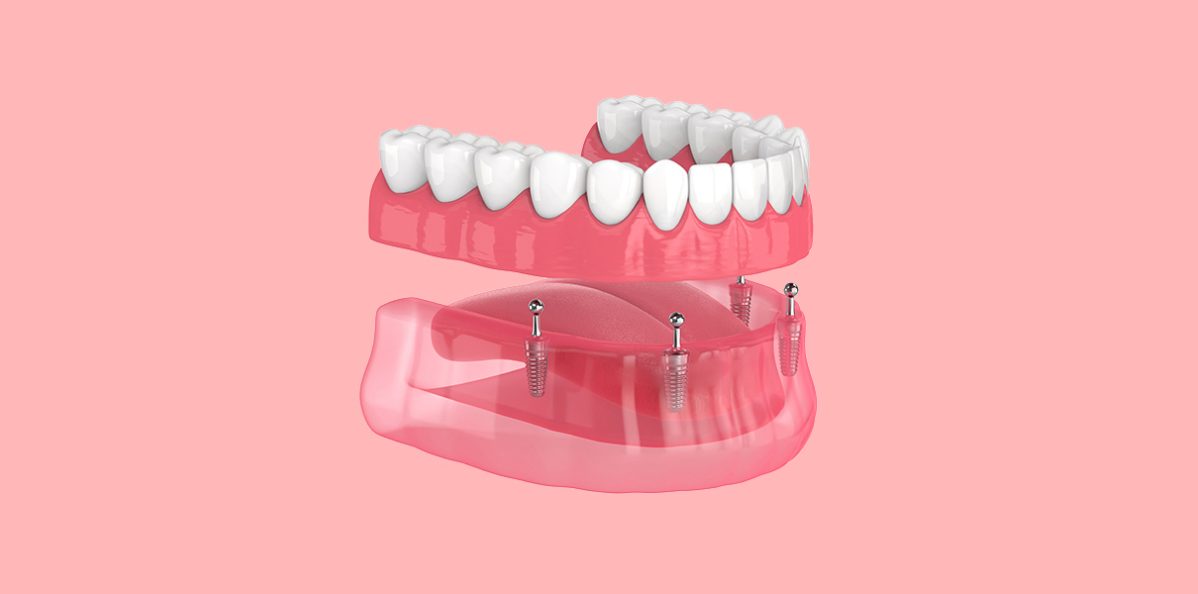
All-on-4 dental implants were developed to support a full arch of teeth using four strategically positioned implants. Instead of placing individual implants for every missing tooth, four implants support an entire prosthetic bridge.
This system relies on areas of the jaw that often retain stronger supporting bone. The prosthetic arch attaches to the implants and functions as a fixed restoration.
Patients exploring Dental Implants in Langley may encounter this option when several teeth are missing and bone reduction is present.
Strategic Implant Placement for Stability
The All-on-4 system uses carefully placed implants. Two implants are typically placed vertically in the front of the jaw where bone structure is stronger. Two additional implants are positioned at an angle toward the back.
Angled placement helps clinicians anchor implants into stable areas of bone while avoiding nearby anatomical structures such as nerves or sinus spaces.
Because implants are placed in stronger areas of bone, many patients can receive this treatment without needing bone grafting procedures.
Diagnostic Evaluation and Treatment Planning
Dentists begin by carefully evaluating oral health and the structure of the jaw. Three-dimensional imaging, such as cone beam CT scans, is commonly used to examine bone thickness and identify important anatomical structures.
These scans help clinicians determine the precise location and angle for implant placement. Medical history, gum health, and oral hygiene habits are also reviewed before surgery is recommended.
In some cases, clinicians such as Dr. Shafiq Kara use digital imaging to assess bone structure and determine whether implant placement can be performed safely.
Procedure Overview for Patients with Bone Loss
The treatment process usually begins with diagnostic imaging and treatment planning. During surgery, four implants are placed in predetermined areas of the jaw to support a full arch of teeth.
After implant placement, a healing period allows the implants to integrate with the surrounding bone. Once healing is complete, a final prosthetic bridge is attached to the implants to restore chewing function and appearance.
Healing, Maintenance, and Long-Term Care
After implant surgery, the jawbone gradually bonds to the implant surface through a biological process called osseointegration. During early healing, patients are often advised to follow a soft-food diet to limit pressure on the implants.
Regular dental visits allow clinicians to monitor healing and evaluate implant stability. Good oral hygiene and professional maintenance help protect the surrounding gum tissue.
In some situations, the All-on-4 method may reduce the number of treatment stages compared with approaches that require bone grafting and multiple implant placements.
A Treatment Option for Patients with Bone Loss
Chewing forces are shared across four implants, which improves stability when the back of the jaw has limited bone.
Even when bone reduction is present, modern implant dentistry offers several options for restoring missing teeth. All-on-4 dental implants use strategic implant placement to support a full arch of teeth while efficiently utilizing existing bone.
Patients who wish to explore implant treatment options may discuss their condition and restorative goals with the team at Sage Dental Implant & Smile Centre – Langley.
Author’s Bio
Ultimate Guide to Cleaning and Taking Care of Your Invisalign
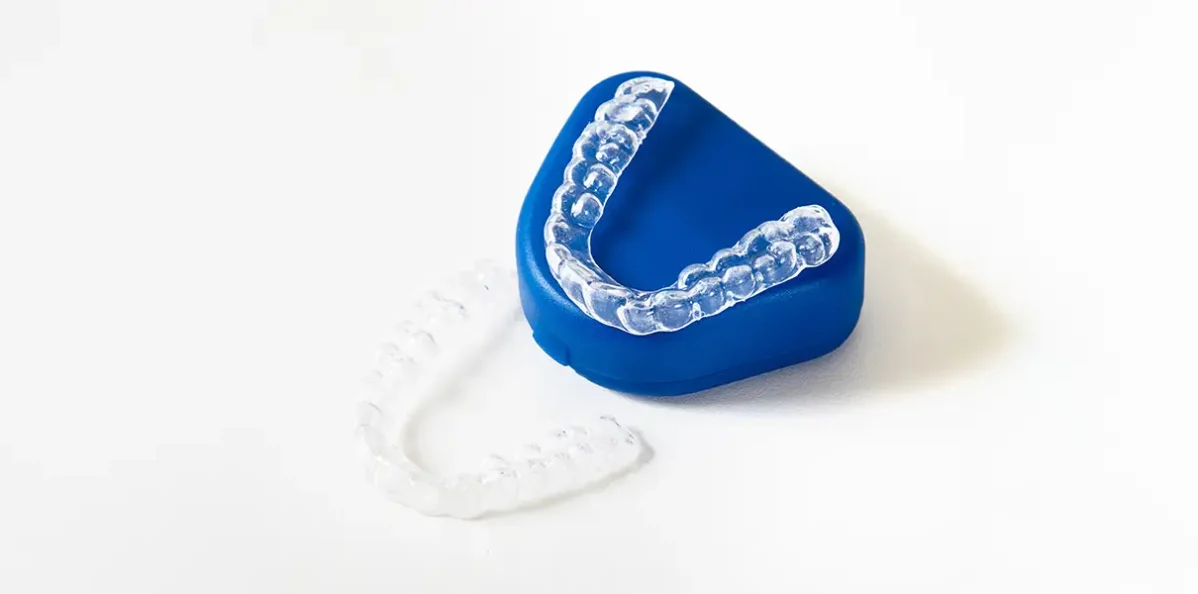
Clear aligners are worn most of the day, which means they require consistent care. Patients receiving Invisalign in Langley often ask how to keep their trays clear, fresh, and comfortable. Because aligners sit closely against the teeth and gums, they can collect plaque and bacteria if not cleaned properly.
Good aligner hygiene supports oral health and helps ensure your treatment stays on schedule. When you work with a dentist, you will receive instructions tailored to your specific treatment plan. Following those guidelines at home is an important part of protecting your smile.
Why Clean Aligners Matter
Aligners create a controlled environment around your teeth. If food particles or bacteria remain trapped inside the trays, they can contribute to oral health concerns.
Without proper cleaning, you may notice:
- A cloudy or dull appearance
- Unpleasant odours
- Increased plaque buildup
- Gum irritation
- Higher risk of cavities
Clear trays are designed to be discreet. Keeping them clean helps maintain their transparency and comfort. Patients who ask a dentist near you about aligner maintenance are often advised that prevention is simpler than correcting avoidable issues later.
A Simple Daily Cleaning Routine
Consistency makes a significant difference during clear aligner treatment. A straightforward daily routine keeps buildup under control.
Each day:
- Rinse aligners with lukewarm water when removing them.
- Gently brush them using a soft toothbrush reserved for this purpose.
- Use clear, mild liquid soap if recommended by your dental provider.
- Clean thoroughly before placing them back in your mouth.
Avoid hot water, as heat can distort the plastic. Toothpaste is also not ideal for aligners unless specifically recommended, because many formulas contain mild abrasives that can scratch the surface.
Brushing and flossing your teeth prior to reinserting your trays is equally important. Clean teeth reduce the chance of trapping debris under the aligners.
Safe and Effective Cleaning Methods
Aligners are made from medical-grade thermoplastic. Gentle handling preserves their fit and clarity.
Safe practices include:
- Using only lukewarm water
- Soaking trays in aligner cleaning crystals or approved retainer tablets
- Brushing lightly without applying strong pressure
Harsh chemicals can weaken the material. If you are unsure about a cleaning product, it is best to confirm with your dentist in Langley before using it.
Products That Support Clear Aligner Care
Some products are specifically formulated for clear aligners and retainers.
Commonly recommended options include:
- Invisalign cleaning crystals
- Non-abrasive retainer cleaning tablets
- Clear, fragrance-free liquid soap
- A soft-bristled toothbrush
Coloured soaps or mouth rinses may stain the trays. Your dental provider may suggest products that are compatible with your specific aligner system.
Cleaning Methods to Avoid
Certain cleaning methods can damage aligners or reduce their effectiveness.
Avoid:
- Whitening toothpaste
- Coloured mouthwash
- Bleach or disinfectants
- Boiling water
- Scrubbing with stiff brushes
These approaches can scratch, stain, or distort the trays. Even minor surface damage can make aligners appear cloudy and allow bacteria to cling more easily.
Preventing Stains and Odours
Daily habits influence how clear your aligners remain throughout treatment.
Helpful habits include:
- Removing aligners before eating or drinking anything except water
- Brushing and flossing after meals
- Rinsing aligners promptly after removal
- Avoiding tobacco use while wearing trays
Beverages, for instance, coffee, tea, and red wine, can stain clear plastic quickly. If brushing is not immediately possible, rinse your mouth and aligners with water until proper cleaning can be done.
Patients under the care of Dr. Shafiq Kara are typically reminded that consistency with these habits reduces staining and helps maintain oral health.
Storing Aligners Safely
When aligners are not being worn, proper storage is important.
Always:
- Place trays in their protective case
- Keep the case clean and dry
- Keep them away from heat or direct sunlight
Leaving aligners exposed on countertops increases the risk of contamination or accidental damage. Wrapping them in tissue can also lead to accidental disposal.
Oral Hygiene During Invisalign Treatment
Aligner care and oral hygiene go hand in hand. Because trays cover the teeth for most of the day, plaque can accumulate quickly if brushing and flossing are neglected.
Maintain healthy teeth and gums by:
- Brushing (2 times) daily with fluoride toothpaste
- Flossing once per day
- Attending regular dental checkups
- Following the schedule for switching aligners
Healthy gums support predictable tooth movement. If you notice swelling, bleeding, or persistent discomfort, contact your dental provider for evaluation rather than attempting self-treatment.
Caring for Aligners While Travelling
Maintaining your routine during travel prevents unnecessary complications.
Consider packing:
- A travel toothbrush
- Small bottle of clear liquid soap
- Floss
- Your aligner case
If brushing is not immediately available, rinse thoroughly with water and clean your trays as soon as possible. Planning ahead helps you stay consistent even during busy schedules.
Mistakes That Can Delay Progress
Small oversights may affect treatment results.
Common mistakes include:
- Drinking sugary beverages while wearing aligners
- Skipping cleaning for several days
- Using hot water for rinsing
- Continuing to wear cracked trays
If an aligner becomes damaged or no longer fits properly, contact your dental provider for instructions. Do not attempt to reshape or adjust it yourself.
Switching to New Aligners
Most Invisalign treatment plans involve changing trays every one to two weeks. Follow your prescribed schedule carefully.
If you experience:
- Unusual tightness beyond the initial adjustment period
- Cracks or visible damage
- Aligners that no longer seat properly
Reach out to your provider before proceeding. Timely communication helps keep your treatment on track.
Supporting Clear and Effective Treatment
Caring for your aligners properly helps maintain clarity, comfort, and oral health throughout treatment. With consistent cleaning and safe handling, aligners can remain discreet and functional from start to finish.
For patients considering or currently undergoing Invisalign treatment, Sage Dental Implant and Smile Centre – Langley provides guidance tailored to individual needs. Clear instructions and routine follow-up appointments help ensure your aligners remain clean and effective as your smile progresses.
Author’s Bio

Types of Dental Crowns: Porcelain, Ceramic, Metal, and Zirconia
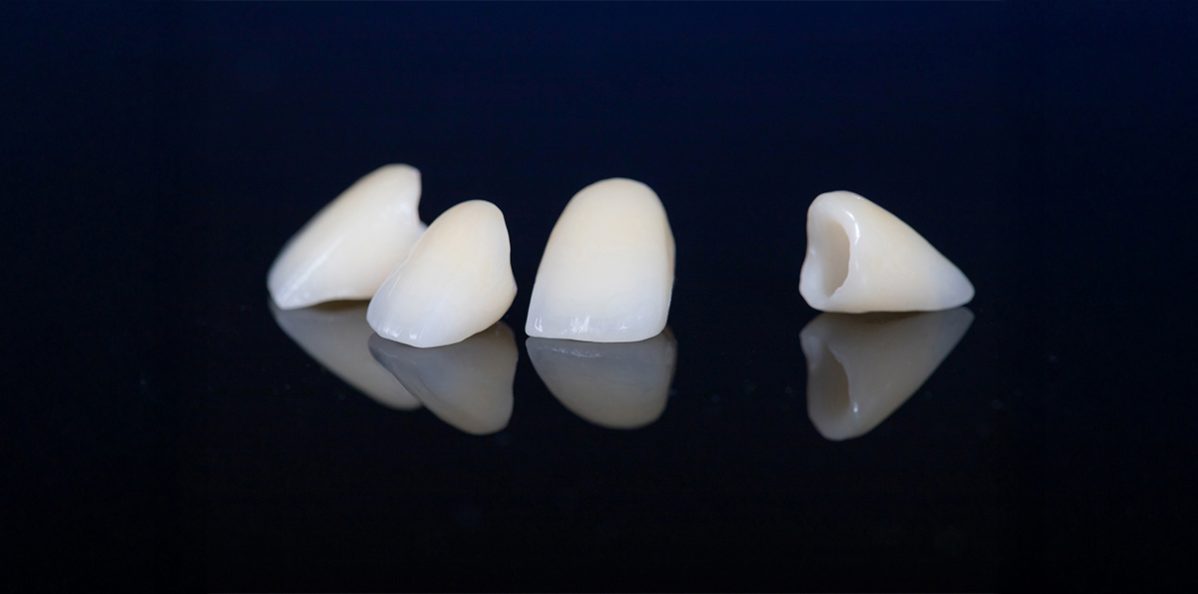
Dental crowns are one of the most reliable ways to restore damaged or weakened teeth. They protect the structure, improve function, and help teeth look natural again. Patients often ask which crown material is best, and the answer depends on several factors, including appearance, durability, and budget. Whether you are searching for a dentist near you or comparing treatment options, understanding the differences between crown types can make the decision clearer.
This guide explains the most common dental crown materials used today: porcelain, ceramic, metal, and zirconia, so you can feel confident discussing options with your dentist.
Purpose and Benefits of Dental Crowns
A dental crown is a personalized restoration that caps and protects a tooth. It restores shape, size, and strength while protecting the remaining tooth structure.
Dental crowns are commonly used to:
- Protect a cracked or weakened tooth
- Restore a tooth after root canal treatment
- Cover large fillings that no longer provide support
- Enhance the look of teeth affected by staining, shape concerns, or damage
- Support a dental bridge or restore function over a dental implant
With consistent brushing, flossing, and routine checkups, crowns can provide long-term support for daily chewing and speech.
Porcelain Dental Crowns
They are designed to resemble the color and translucency of natural enamel, making them ideal for front teeth. They closely reflect the color and light-transmitting qualities of natural enamel, which makes them well-suited for front teeth.
Key advantages include:
- Excellent aesthetics
- Stain resistance
- Metal-free construction
Porcelain crowns are often recommended when appearance is a top priority. However, they may be slightly less durable than other materials for heavy biting forces.
Ceramic Dental Crowns
Ceramic crowns are similar to porcelain but are often made from advanced ceramic materials. They provide a balance between strength and appearance.
Benefits of ceramic crowns include:
- Natural-looking color and texture
- Suitable for patients with metal sensitivities
- Good fit for front and some back teeth
Ceramic crowns are often chosen by patients who prefer a metal-free option that still offers dependable strength.
Metal Dental Crowns
Metal crowns are made from gold alloys or other metal blends. While they are less common for visible teeth, they remain one of the most durable options.
Advantages of metal crowns include:
- Exceptional strength and longevity
- Minimal tooth removal required
- Low risk of chipping or cracking
Because of their metallic appearance, they are typically placed on molars where chewing force is highest, and visibility is limited.
Zirconia Dental Crowns
Zirconia crowns are widely used today because they offer a strong balance between durability and versatility. They are made from zirconium dioxide, a highly durable ceramic material.
Zirconia crowns offer:
- High fracture resistance
- Natural-looking appearance
- Compatibility with modern digital dentistry
These crowns are often used for both front and back teeth, especially when strength and aesthetics are equally important.
Comparison of Crown Materials
Each crown material serves a different purpose. Porcelain and ceramic focus on appearance, metal emphasizes durability, and zirconia combines strength with aesthetics. The ideal choice depends on tooth location, bite pressure, and personal preferences.
Aesthetic Considerations for Different Crowns
For visible teeth, color matching and translucency matter most. Porcelain and ceramic crowns blend seamlessly with natural teeth. Zirconia can also be customized for a lifelike finish, while metal crowns are usually reserved for areas that are not visible when smiling.
Strength and Durability of Crown Types
Metal crowns are the most durable, followed closely by zirconia. Ceramic and porcelain crowns provide good strength but may wear faster under heavy grinding or clenching. Your dentist will consider bite alignment and habits before recommending a material.
Cost Differences Between Crown Materials
Costs may vary depending on the crown material selected, the complexity of the procedure, and the dental laboratory involved. Metal crowns are often less expensive, while porcelain, ceramic, and zirconia crowns may cost more due to their aesthetic benefits and fabrication process. Insurance coverage can also influence final costs.
Choosing the Right Crown for Your Needs
Selecting the right crown involves balancing appearance, strength, and budget. A dentist in Langley will evaluate tooth position, oral health, and long-term goals before recommending a material. Many patients benefit from discussing lifestyle factors such as grinding or cosmetic expectations during their consultation.
Care and Maintenance of Dental Crowns
Caring for a crown is similar to caring for natural teeth:
- Brush twice daily with fluoride toothpaste
- Floss carefully around the crown margin
- Avoid chewing hard objects like ice
- Visit your dentist regularly for checkups
Good oral hygiene helps protect both the crown and the underlying tooth.
Final Thoughts: Selecting the Best Dental Crown Option
Dental crowns help restore comfort, improve function, and support a confident smile when a tooth has been weakened or damaged. Understanding material differences helps patients make informed decisions and set realistic expectations. For those considering treatment, Dr. Shafiq Kara and the team at Sage Dental Implant & Smile Centre – Langley provide personalized care and guidance, helping patients choose a crown solution that supports long-term oral health and a natural smile.
Author’s Bio
How to Tell If a Tooth Infection Is an Emergency
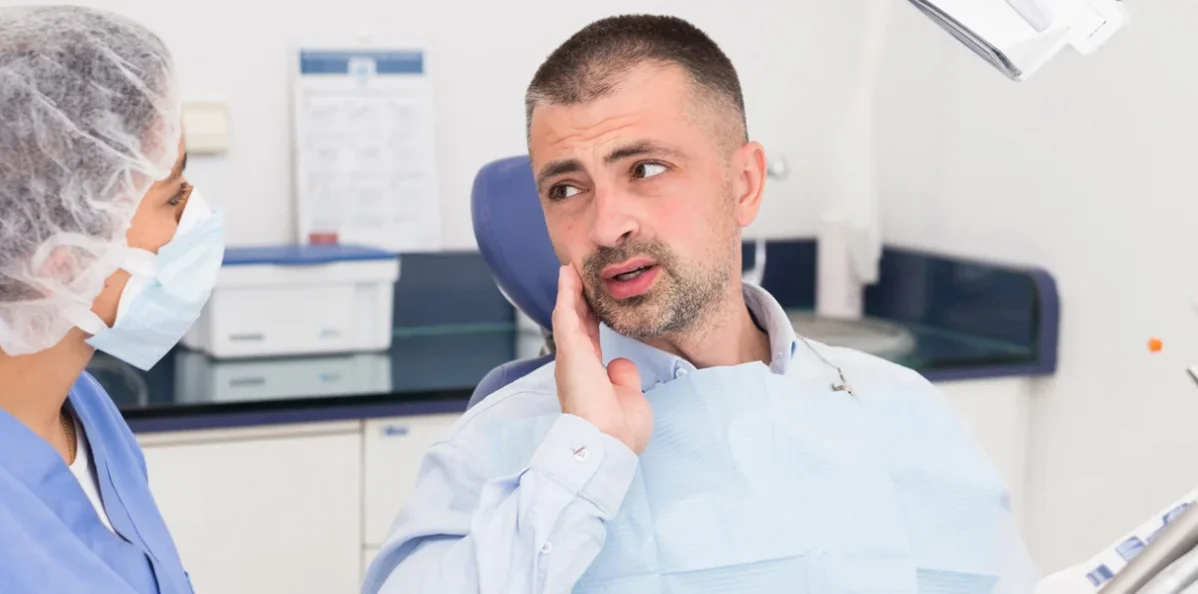
A tooth infection can start as a dull ache and then turn into sharp pain that keeps you awake at night. It can be hard to know when to watch and wait, and when to seek urgent care. This guide explains how to tell when a tooth infection is a true emergency, what signs to look for, and when emergency dentistry in Langley is the safest choice for your health.
Understanding What a Tooth Infection Is
A tooth infection happens when bacteria enter the inner part of the tooth or the tissues around it. This can be due to deep decay, a cracked tooth, old fillings that fail, or trauma.
At the center of every tooth sits the pulp, a soft layer containing nerves and blood supply that support its health. It holds nerves and blood vessels. When bacteria reach this space, the pulp becomes inflamed and can die. Infection can then spread through the root into the jawbone or surrounding tissues.
Sometimes infection starts in the gums or bone around the tooth. Gum disease, trapped food, or an untreated abscess can all lead to serious problems if not treated.
Common Symptoms of a Dental Infection
Not every toothache is an emergency, but infections usually cause one or more of the following:
- Throbbing tooth pain that may spread to the jaw, ear, or neck
- Swelling of the gums near one tooth
- A pimple-like bump (abscess) on the gums that may drain fluid
- Sensitivity to hot, cold, or biting pressure
- Bad taste or bad breath that does not clear with brushing
- Swollen or tender glands under the jaw or along the neck
These signs do not always mean a crisis, but they do tell you it is time to see a dentist in Langley for an exam and X-rays.
Warning Signs of a Serious or Spreading Infection
Some symptoms suggest that the infection is spreading beyond the tooth or jaw. These are red flags that should never be ignored:
- Facial swelling that is firm, warm, or enlarging
- Swelling that makes it hard to open your mouth
- Pain or swelling under the tongue or in the floor of the mouth
- Trouble swallowing or feeling like the throat is tight
- Fever, chills, or feeling unwell
- Fast heartbeat or feeling lightheaded
These signs can point to a deep space infection. In rare cases, this can affect breathing or spread through the bloodstream. That is why urgent dental or medical care is so important.
When Immediate Emergency Care Is Needed
Seek emergency care right away (dental office, urgent care, or hospital) if you notice:
- Difficulty breathing or swallowing
- Swelling that reaches your eye, cheekbone, or neck
- Suddenly, severe tooth pain with fever
- Confusion, weakness, or feeling faint
- Uncontrolled bleeding from the mouth
Even if the pain seems to ease after a burst of fluid from the gums, the infection is still present. The pressure has decreased, but the source remains. Prompt care helps control the infection, protect nearby teeth, and reduce the risk of serious illness.
Risks of Delaying Treatment
Waiting to treat a dental infection can lead to more than just discomfort. Some risks include:
- Larger areas of bone loss around the tooth
- Damage to neighboring teeth or restorations
- Infection spreading into the jaw, sinuses, or face
- Higher chance of needing an extraction instead of a root canal
- Hospitalization for intravenous antibiotics in severe cases
People with diabetes, heart conditions, or weakened immune systems face higher risks when dental infections spread. For them, a tooth infection is never “minor.” Timely care from a dentist can prevent these complications.
Temporary Steps to Manage Symptoms
Home measures do not replace care, but they can help you cope until you see a dentist:
- Rinse with warm salt water. This can soothe irritated tissues and help keep the area clean.
- Use a cold compress. Place it on the cheek over the sore area to reduce swelling and ease pain.
- Take over-the-counter pain medication as directed. Avoid placing aspirin on the gum or tooth, as this can burn the tissue.
- Keep the area clean. Brush gently and floss around the tooth to remove food and plaque, unless this causes sharp pain.
- Stay upright. Resting with your head elevated can make throbbing less intense.
If these steps do not ease symptoms, or if swelling or fever appear, contact a dentist near you or seek urgent care the same day.
How Dentists Diagnose and Treat Emergencies
During an emergency visit, the dentist will ask about your symptoms and medical history, then examine your teeth, gums, and face. X-rays help show whether the infection is inside the tooth, in the bone, or both.
Treatment depends on the source and spread of the infection. Common options include:
- Antibiotics to help control active infection, especially when swelling or fever are present
- Drainage of an abscess by opening the tooth or making a small incision in the gum
- Root canal treatment to remove infected pulp, clean the canals, and seal the tooth
- Extraction when the tooth cannot be saved or poses a high risk if left in place
- Pain and swelling control with medications and instructions for care at home
An experienced clinician such as Dr. Shafiq Kara will focus on stabilizing your condition first, then plan any follow-up care. The goal is to relieve pain, control infection, and protect your overall health, not just the single tooth.
Final Thoughts
Tooth infections are common, but they should never be ignored. Early care often means simpler treatment and a better outcome. If tooth pain or swelling lingers, or you notice any of the signs of infection, contact a dental team you trust as soon as possible.
For patients searching for calm, thorough emergency care in the area, Sage Dental Implant & Smile Centre – Langley offers same-day support and a focus on long-term oral health. A quick call and prompt visit can make a real difference when a tooth infection turns into an emergency.
Author’s Bio
Can Invisalign Fix Overbites, Underbites, and Crossbites?

Clear aligners have changed how we straighten teeth. Invisalign aligners replace the look and feel of braces with a smooth, comfortable design that guides your teeth into alignment through gentle, consistent pressure. For many patients, Invisalign in Langley can correct bite problems as well as crooked or crowded teeth. Success depends on what’s causing the bite issue, how complex it is, and how consistently you wear the trays (usually 20–22 hours per day).
Understanding Different Bite Issues
A “bite” describes how your upper and lower teeth meet.
- Overbite: When the top front teeth cover the lower ones too much, it’s known as an overbite and can affect how your teeth fit together. Deep overbites can cause wear, gum irritation, or jaw discomfort.
- Underbite: An underbite happens when the lower front teeth sit slightly ahead of the upper front teeth.. This can affect chewing, speech, and facial balance.
- Crossbite: In a crossbite, certain upper teeth close inside the lower teeth rather than slightly outside, which can cause uneven wear and jaw imbalance. Crossbites can be in the front or back and may lead to chipping, gum recession, or asymmetric jaw growth.
Bite problems can be dentoalveolar (tooth-position related) or skeletal (jaw-size or position related). Aligners are most effective for tooth-position issues and mild-to-moderate jaw discrepancies.
How Invisalign Corrects Overbites
Overbites are often caused by flared uppers, tipped lowers, or vertical tooth positions. Invisalign can:
- Level and intrude front teeth to reduce deep overlap.
- Procline or retrocline incisors to improve their angle.
- Use elastics (small rubber bands attached to tooth-colored bumps) to guide the upper and lower arches into a better relationship.
For many adults and teens, this combination reduces an overbite predictably. In more severe cases, especially when the lower jaw is small relative to the upper,r traditional braces with additional mechanics, growth modification in younger patients, or even jaw surgery may be discussed.
How Invisalign Treats Underbites
Underbites may stem from forward lower teeth or an underdeveloped upper arch. Invisalign can:
- Expand and coordinate the upper arch to improve the bite.
- Reposition individual teeth that cause anterior interference.
- Use Class III elastics to help guide the lower arch back and the upper arch forward within dental limits.
If the underbite is primarily skeletal (a prominent lower jaw or recessed upper jaw), aligners alone may not fully correct it. Braces, orthopedic appliances during growth, or orthognathic surgery in adults might be recommended.
How Invisalign Addresses Crossbites
Crossbites often involve a narrow upper arch or misplaced individual teeth. Invisalign addresses these by:
- Arch expansion using programmed tooth movements and attachments.
- Rotating and tipping specific teeth out of a crossbite.
- Improving midline alignment when the bite is asymmetric.
Mild to moderate posterior crossbites respond well. For wide skeletal discrepancies or a very constricted palate, a palatal expander (commonly used with braces) may be needed first.
Limitations and When Braces May Be Needed
While aligners are powerful, they have limits:
- Severe skeletal discrepancies often require growth modification, braces with additional appliances, or surgery.
- Complex tooth movements (large root torque, significant extrusion, or rotated short, conical teeth) can be more predictable with braces.
- Low wear time reduces effectiveness. Aligners only work when worn as directed.
- Impacted teeth or extensive bite opening/closure may respond better to fixed appliances.
Your dentist or orthodontist will evaluate jaw relationships, X-rays, gum health, and airway considerations before recommending a plan. If you’re comparing options, a dentist near you can explain trade-offs, expected timelines, and costs.
Benefits of Invisalign for Bite Correction
Patients choose aligners for more than appearance:
- Removable for meals and brushing: Easier hygiene, less risk of decalcification around brackets.
- Comfortable edges: Fewer cheek and lip sores.
- Fewer dietary limits: No emergency visits for broken wires.
- Digital planning: You can preview likely tooth movements and stages.
- Steady, gentle forces: Often helpful for periodontal comfort when monitored properly.
- Lifestyle flexibility: Helpful for athletes, musicians, and public-facing roles.
Remember: benefits rely on consistent wear and regular check-ins. Even with aligners, small refinements or additional trays are common to fine-tune your bite.
Final Thoughts: Consulting Your Dentist for the Best Treatment Plan
Invisalign can correct many overbites, underbites, and crossbites, especially when the cause is tooth position rather than jaw size. The best first step is a comprehensive exam, photos, a 3D scan, and a clear discussion of goals. If you’re weighing aligners against braces, a dentist in Langley can outline which approach suits your case, how long treatment may take, and what results to expect. For personalized guidance and a supportive, patient-first approach, book a consultation with Sage Dental Implant & Smile Centre – Langley.
Author’s Bio
How Long Does It Take to Heal After a Tooth Extraction?
A tooth extraction is a prevalent dental procedure, but it’s also one that requires proper care afterward. Understanding the healing timeline helps you know what’s normal, what’s not, and how to support your mouth as it recovers. Whether it’s a simple extraction or a surgical one, following getting aftercare instructions from a dentist near you ensures smoother healing and prevents complications like infection or dry socket.
General Healing Timeline
The healing process post-tooth extraction typically unfolds in stages. While every person heals differently, most patients can expect:
- First 24 hours: A blood clot forms to protect the extraction site. Mild swelling and tenderness are common.
- 2–3 days: Swelling and unease begin to subside.
- 1 week: Soft tissue healing progresses, and most patients can resume normal activities.
- 2 weeks: The gum tissue closes, and any stitches (if used) are removed or dissolve.
- 3–4 weeks: The socket fills in with new tissue, and bone begins to remodel.
Complete bone healing can take several months, but the visible gum area usually looks and feels normal within two to three weeks.
Factors That Influence Recovery
Several factors can affect how quickly your mouth heals after a tooth extraction in Langley:
- Type of Extraction: Surgical or impacted teeth (like wisdom teeth) take longer to heal.
- Age and Health: Younger patients or those in good overall health tend to heal faster.
- Smoking: Nicotine restricts blood flow and delays healing.
- Oral Hygiene: Following your dentist’s cleaning and care instructions prevents infection.
- Diet and Nutrition: A soft, balanced diet supports tissue repair.
- Medications: Blood thinners and specific prescriptions can slow clot formation.
Understanding these factors can help set realistic expectations for recovery and highlight the importance of following professional advice.
Stages of Healing After Extraction
Healing after a tooth extraction occurs in four key stages:
- Clot Formation (Day 1): After the tooth is removed, a blood clot develops to protect the underlying bone and nerves.
- Tissue Repair (Days 2–10): The surrounding gum tissue starts to close around the socket. You may feel some tightness or mild tenderness.
- New Bone Formation (Weeks 2–6): The socket begins filling with new bone tissue.
- Bone Remodelling (Months 1–3): The jawbone strengthens and reshapes as part of the final healing phase.
During these stages, it’s crucial not to disturb the blood clot, especially in the first few days, as it protects the site from infection and supports tissue regeneration.
Tips to Speed Up Recovery
Following simple aftercare steps can make a big difference in your healing time:
- Keep the Gauze in Place: Bite down gently for the first hour to control bleeding.
- Avoid Smoking or Using Straws: Suction can dislodge the clot and cause dry socket.
- Apply a Cold Compress: Reduces swelling in the first 24 hours.
- Stick to Soft Foods: Opt for yogurt, soups, and mashed vegetables. Avoid crunchy or spicy foods for several days.
- Rinse Gently: Use warm saltwater after 24 hours to clean the area.
- Maintain Oral Hygiene: Brush carefully, avoiding the extraction site.
- Rest: Avoid heavy activity for at least 48 hours.
With these precautions, most patients experience a smooth recovery and can return to their usual routine within a week.
Warning Signs of Complications
While mild pain and swelling are normal, certain symptoms may indicate an infection or delayed healing. Contact your dentist in Langley if you notice:
- Severe or worsening pain after 3–4 days
- Persistent bleeding or pus
- Bad taste or foul odour from the extraction site
- Fever or swollen lymph nodes
- Exposed bone or loss of the blood clot (dry socket)
Prompt dental evaluation ensures proper treatment and prevents further complications.
When to Call Your Dentist
It’s always best to stay in touch with your dental team after a tooth extraction. You should call your dentist if you experience:
- Bleeding that doesn’t stop after 24 hours
- Difficulty swallowing or breathing
- Swelling that worsens after the third day.
- Numbness that persists beyond a few hours
- Severe pain unrelieved by prescribed medication
Early attention can prevent small issues from turning into serious problems, ensuring your recovery stays on track.
Conclusion
Healing after a tooth extraction takes time, care, and attention to detail. Most people recover well within two weeks, but factors such as oral hygiene, all-round health, and adherence to aftercare instructions play a key role. If you have concerns during your recovery or need professional guidance, contact Sage Dental Implant & Smile Centre – Langley for expert post-extraction care and follow-up. Their team ensures every patient heals comfortably and confidently.
Author’s Bio