

Types of Dental Crowns: Porcelain, Ceramic, Metal, and Zirconia
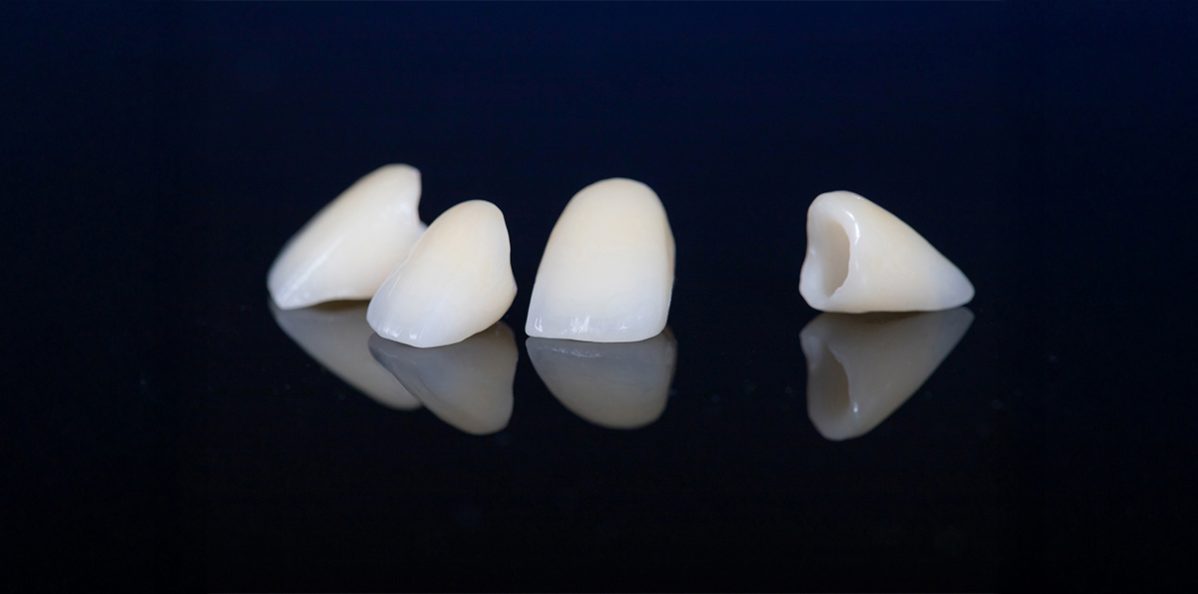
Dental crowns are one of the most reliable ways to restore damaged or weakened teeth. They protect the structure, improve function, and help teeth look natural again. Patients often ask which crown material is best, and the answer depends on several factors, including appearance, durability, and budget. Whether you are searching for a dentist near you or comparing treatment options, understanding the differences between crown types can make the decision clearer.
This guide explains the most common dental crown materials used today: porcelain, ceramic, metal, and zirconia, so you can feel confident discussing options with your dentist.
Purpose and Benefits of Dental Crowns
A dental crown is a personalized restoration that caps and protects a tooth. It restores shape, size, and strength while protecting the remaining tooth structure.
Dental crowns are commonly used to:
- Protect a cracked or weakened tooth
- Restore a tooth after root canal treatment
- Cover large fillings that no longer provide support
- Enhance the look of teeth affected by staining, shape concerns, or damage
- Support a dental bridge or restore function over a dental implant
With consistent brushing, flossing, and routine checkups, crowns can provide long-term support for daily chewing and speech.
Porcelain Dental Crowns
They are designed to resemble the color and translucency of natural enamel, making them ideal for front teeth. They closely reflect the color and light-transmitting qualities of natural enamel, which makes them well-suited for front teeth.
Key advantages include:
- Excellent aesthetics
- Stain resistance
- Metal-free construction
Porcelain crowns are often recommended when appearance is a top priority. However, they may be slightly less durable than other materials for heavy biting forces.
Ceramic Dental Crowns
Ceramic crowns are similar to porcelain but are often made from advanced ceramic materials. They provide a balance between strength and appearance.
Benefits of ceramic crowns include:
- Natural-looking color and texture
- Suitable for patients with metal sensitivities
- Good fit for front and some back teeth
Ceramic crowns are often chosen by patients who prefer a metal-free option that still offers dependable strength.
Metal Dental Crowns
Metal crowns are made from gold alloys or other metal blends. While they are less common for visible teeth, they remain one of the most durable options.
Advantages of metal crowns include:
- Exceptional strength and longevity
- Minimal tooth removal required
- Low risk of chipping or cracking
Because of their metallic appearance, they are typically placed on molars where chewing force is highest, and visibility is limited.
Zirconia Dental Crowns
Zirconia crowns are widely used today because they offer a strong balance between durability and versatility. They are made from zirconium dioxide, a highly durable ceramic material.
Zirconia crowns offer:
- High fracture resistance
- Natural-looking appearance
- Compatibility with modern digital dentistry
These crowns are often used for both front and back teeth, especially when strength and aesthetics are equally important.
Comparison of Crown Materials
Each crown material serves a different purpose. Porcelain and ceramic focus on appearance, metal emphasizes durability, and zirconia combines strength with aesthetics. The ideal choice depends on tooth location, bite pressure, and personal preferences.
Aesthetic Considerations for Different Crowns
For visible teeth, color matching and translucency matter most. Porcelain and ceramic crowns blend seamlessly with natural teeth. Zirconia can also be customized for a lifelike finish, while metal crowns are usually reserved for areas that are not visible when smiling.
Strength and Durability of Crown Types
Metal crowns are the most durable, followed closely by zirconia. Ceramic and porcelain crowns provide good strength but may wear faster under heavy grinding or clenching. Your dentist will consider bite alignment and habits before recommending a material.
Cost Differences Between Crown Materials
Costs may vary depending on the crown material selected, the complexity of the procedure, and the dental laboratory involved. Metal crowns are often less expensive, while porcelain, ceramic, and zirconia crowns may cost more due to their aesthetic benefits and fabrication process. Insurance coverage can also influence final costs.
Choosing the Right Crown for Your Needs
Selecting the right crown involves balancing appearance, strength, and budget. A dentist in Langley will evaluate tooth position, oral health, and long-term goals before recommending a material. Many patients benefit from discussing lifestyle factors such as grinding or cosmetic expectations during their consultation.
Care and Maintenance of Dental Crowns
Caring for a crown is similar to caring for natural teeth:
- Brush twice daily with fluoride toothpaste
- Floss carefully around the crown margin
- Avoid chewing hard objects like ice
- Visit your dentist regularly for checkups
Good oral hygiene helps protect both the crown and the underlying tooth.
Final Thoughts: Selecting the Best Dental Crown Option
Dental crowns help restore comfort, improve function, and support a confident smile when a tooth has been weakened or damaged. Understanding material differences helps patients make informed decisions and set realistic expectations. For those considering treatment, Dr. Shafiq Kara and the team at Sage Dental Implant & Smile Centre – Langley provide personalized care and guidance, helping patients choose a crown solution that supports long-term oral health and a natural smile.
Author’s Bio
