

Ultimate Guide to Cleaning and Taking Care of Your Invisalign
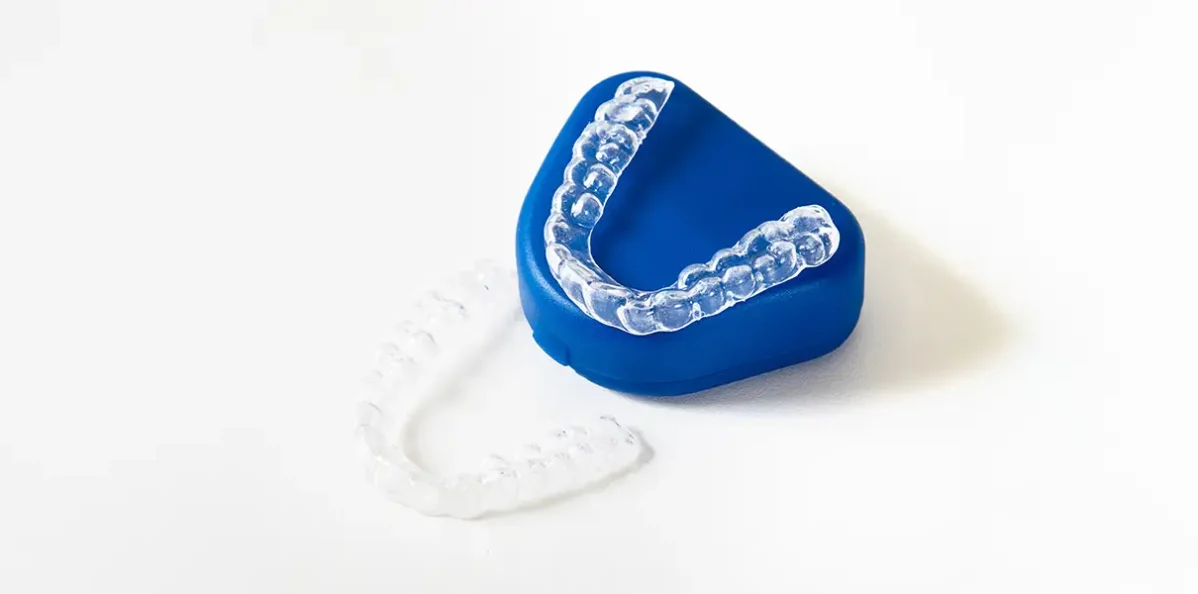
Clear aligners are worn most of the day, which means they require consistent care. Patients receiving Invisalign in Langley often ask how to keep their trays clear, fresh, and comfortable. Because aligners sit closely against the teeth and gums, they can collect plaque and bacteria if not cleaned properly.
Good aligner hygiene supports oral health and helps ensure your treatment stays on schedule. When you work with a dentist, you will receive instructions tailored to your specific treatment plan. Following those guidelines at home is an important part of protecting your smile.
Why Clean Aligners Matter
Aligners create a controlled environment around your teeth. If food particles or bacteria remain trapped inside the trays, they can contribute to oral health concerns.
Without proper cleaning, you may notice:
- A cloudy or dull appearance
- Unpleasant odours
- Increased plaque buildup
- Gum irritation
- Higher risk of cavities
Clear trays are designed to be discreet. Keeping them clean helps maintain their transparency and comfort. Patients who ask a dentist near you about aligner maintenance are often advised that prevention is simpler than correcting avoidable issues later.
A Simple Daily Cleaning Routine
Consistency makes a significant difference during clear aligner treatment. A straightforward daily routine keeps buildup under control.
Each day:
- Rinse aligners with lukewarm water when removing them.
- Gently brush them using a soft toothbrush reserved for this purpose.
- Use clear, mild liquid soap if recommended by your dental provider.
- Clean thoroughly before placing them back in your mouth.
Avoid hot water, as heat can distort the plastic. Toothpaste is also not ideal for aligners unless specifically recommended, because many formulas contain mild abrasives that can scratch the surface.
Brushing and flossing your teeth prior to reinserting your trays is equally important. Clean teeth reduce the chance of trapping debris under the aligners.
Safe and Effective Cleaning Methods
Aligners are made from medical-grade thermoplastic. Gentle handling preserves their fit and clarity.
Safe practices include:
- Using only lukewarm water
- Soaking trays in aligner cleaning crystals or approved retainer tablets
- Brushing lightly without applying strong pressure
Harsh chemicals can weaken the material. If you are unsure about a cleaning product, it is best to confirm with your dentist in Langley before using it.
Products That Support Clear Aligner Care
Some products are specifically formulated for clear aligners and retainers.
Commonly recommended options include:
- Invisalign cleaning crystals
- Non-abrasive retainer cleaning tablets
- Clear, fragrance-free liquid soap
- A soft-bristled toothbrush
Coloured soaps or mouth rinses may stain the trays. Your dental provider may suggest products that are compatible with your specific aligner system.
Cleaning Methods to Avoid
Certain cleaning methods can damage aligners or reduce their effectiveness.
Avoid:
- Whitening toothpaste
- Coloured mouthwash
- Bleach or disinfectants
- Boiling water
- Scrubbing with stiff brushes
These approaches can scratch, stain, or distort the trays. Even minor surface damage can make aligners appear cloudy and allow bacteria to cling more easily.
Preventing Stains and Odours
Daily habits influence how clear your aligners remain throughout treatment.
Helpful habits include:
- Removing aligners before eating or drinking anything except water
- Brushing and flossing after meals
- Rinsing aligners promptly after removal
- Avoiding tobacco use while wearing trays
Beverages, for instance, coffee, tea, and red wine, can stain clear plastic quickly. If brushing is not immediately possible, rinse your mouth and aligners with water until proper cleaning can be done.
Patients under the care of Dr. Shafiq Kara are typically reminded that consistency with these habits reduces staining and helps maintain oral health.
Storing Aligners Safely
When aligners are not being worn, proper storage is important.
Always:
- Place trays in their protective case
- Keep the case clean and dry
- Keep them away from heat or direct sunlight
Leaving aligners exposed on countertops increases the risk of contamination or accidental damage. Wrapping them in tissue can also lead to accidental disposal.
Oral Hygiene During Invisalign Treatment
Aligner care and oral hygiene go hand in hand. Because trays cover the teeth for most of the day, plaque can accumulate quickly if brushing and flossing are neglected.
Maintain healthy teeth and gums by:
- Brushing (2 times) daily with fluoride toothpaste
- Flossing once per day
- Attending regular dental checkups
- Following the schedule for switching aligners
Healthy gums support predictable tooth movement. If you notice swelling, bleeding, or persistent discomfort, contact your dental provider for evaluation rather than attempting self-treatment.
Caring for Aligners While Travelling
Maintaining your routine during travel prevents unnecessary complications.
Consider packing:
- A travel toothbrush
- Small bottle of clear liquid soap
- Floss
- Your aligner case
If brushing is not immediately available, rinse thoroughly with water and clean your trays as soon as possible. Planning ahead helps you stay consistent even during busy schedules.
Mistakes That Can Delay Progress
Small oversights may affect treatment results.
Common mistakes include:
- Drinking sugary beverages while wearing aligners
- Skipping cleaning for several days
- Using hot water for rinsing
- Continuing to wear cracked trays
If an aligner becomes damaged or no longer fits properly, contact your dental provider for instructions. Do not attempt to reshape or adjust it yourself.
Switching to New Aligners
Most Invisalign treatment plans involve changing trays every one to two weeks. Follow your prescribed schedule carefully.
If you experience:
- Unusual tightness beyond the initial adjustment period
- Cracks or visible damage
- Aligners that no longer seat properly
Reach out to your provider before proceeding. Timely communication helps keep your treatment on track.
Supporting Clear and Effective Treatment
Caring for your aligners properly helps maintain clarity, comfort, and oral health throughout treatment. With consistent cleaning and safe handling, aligners can remain discreet and functional from start to finish.
For patients considering or currently undergoing Invisalign treatment, Sage Dental Implant and Smile Centre – Langley provides guidance tailored to individual needs. Clear instructions and routine follow-up appointments help ensure your aligners remain clean and effective as your smile progresses.
Author’s Bio
