

Category: Uncategorized
Fix Chips and Stains with Dental Veneers
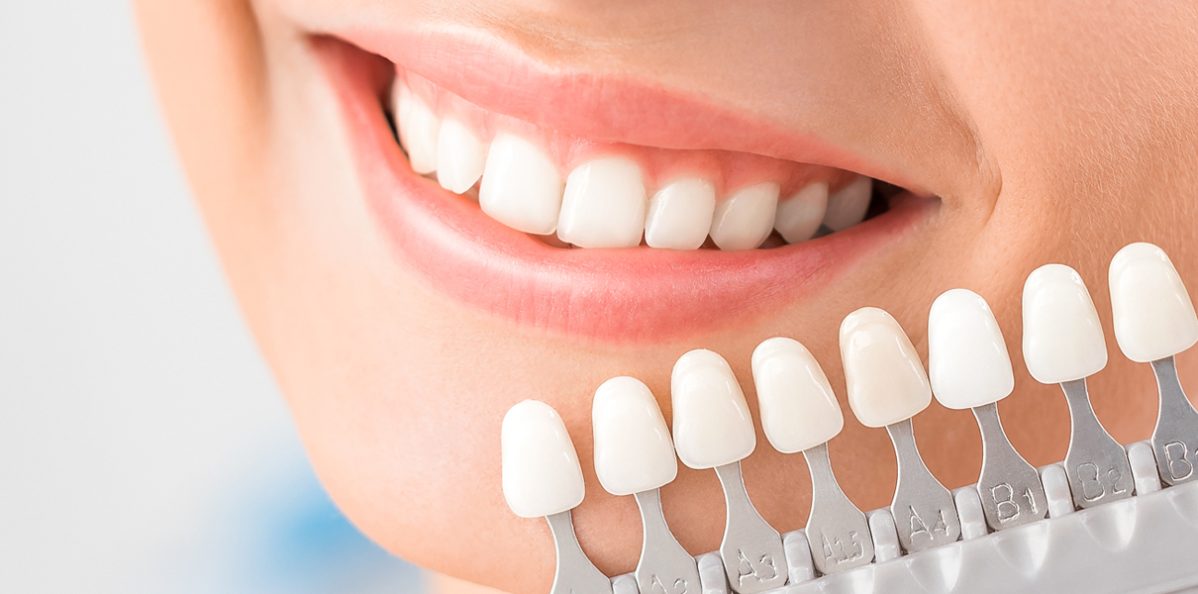
If you’re dealing with chipped or stained teeth, you’re not alone. Many people face cosmetic dental concerns that affect their confidence. Fortunately, dental veneers offer a simple, effective solution to these problems. Veneers are thin shells that cover imperfections, creating a flawless smile that can last for years. Let’s dive into how dental veneers work wonders for chipped or stained teeth.
1. What Are Dental Veneers?
Veneers are thin porcelain or composite resin shells that cover the front of teeth. They’re custom-designed to match the natural shape, size, and color of your teeth. The main goal is to restore your smile’s appearance and help it look natural and radiant.
Types of Veneers:
- Porcelain Veneers: They are exceptionally durable and resistant to stains while also replicating the light-reflecting qualities of natural teeth for a more attractive appearance.
- Composite Veneers: Made with a tooth-colored resin, these options cost less than porcelain and are applied in just one appointment. However, they are more prone to wear and stain over time.
How Veneers Are Applied:
- Consultation: The first step is to visit a trusted dentist near you for an evaluation. The local dentist will determine if veneers are suitable for your specific needs.
- Preparation: To achieve a perfect veneer placement, your dentist will lightly smooth the surface of your teeth.
- Bonding: Once the veneers are completed, they are firmly attached to the teeth with a durable adhesive, creating a flawless, natural appearance.
2. How Dental Veneers Help Fix Chipped Teeth
Chipped teeth can make a smile look uneven and damaged. Dental veneers can restore the shape and structure of your teeth, giving them a uniform look. By covering the chip with a custom-made shell, veneers not only hide the damage but also provide strength and protection.
How Veneers Help:
- Restores Shape: Veneers smooth out the chipped area, restoring the tooth’s natural shape.
- Adds Durability: The porcelain or resin used in veneers is durable and can withstand everyday wear, including chewing and speaking.
- Aesthetic Improvement: Veneers can be designed to look like your natural teeth, blending seamlessly with the surrounding teeth. You’ll hardly notice the difference.
Advantages Over Other Treatments:
- Faster Results: Unlike crowns or other repairs, veneers don’t require much preparation, so thatyou can achieve a beautiful smile quickly.
- Less Invasive: Using veneers involves removing only a minimal layer of enamel, thereby preserving more of your natural tooth compared to other procedures.
3. The Role of Dental Veneers in Fixing Stained Teeth
Teeth can become stained by a range of influences, such as consuming certain foods, drinking specific beverages, smoking, or simply aging. While treatments like teeth whitening in Langley, BC can remove surface stains, they often can’t tackle more stubborn discolorations, especially if your teeth are deeply stained or discolored.
Dental veneers are a fantastic solution for masking those tough stains. Since veneers are tailored to mirror the exact shade of your natural teeth, they have the ability to hide discolorations that teeth whitening simply fails to address.
How Veneers Blend with Your Natural Teeth:
- Customization: Your dentist in v1m 3a6 will collaborate with you to select the perfect veneer shade that seamlessly matches your natural tooth color for a flawless appearance.
- Masking Stubborn Stains: Whether it’s coffee, wine, or aging, veneers will hide the deep stains, providing you with a bright, even smile.
4. Benefits of Choosing Veneers Over Other Cosmetic Options
When it comes to fixing chipped or stained teeth, veneers have several advantages over other cosmetic procedures. Here are some of the top benefits:
- Durability and Longevity: Veneers are long-lasting. Properly maintained veneers stay bright and last 10-15 years or more.
- Quick Recovery Time: Unlike crowns or fillings that require longer healing, veneers have a relatively short recovery period. Most dental patients experience minimal discomfort after the procedure.
- Minimal Tooth Preparation: Getting veneers involves very little removal of your natural tooth structure, preserving most of your tooth’s integrity.
- Aesthetic Appeal: Veneers look incredibly natural. They are crafted to blend in seamlessly with your teeth, providing a perfect smile.
For anyone considering tooth replacement or restoration, veneers are an ideal solution that doesn’t compromise the appearance or functionality of your teeth.
5. Are Dental Veneers Right for You?
While dental veneers in Langley offer great benefits, it’s important to know whether they’re the right choice for you. Here are some things to consider before making the decision:
Ideal Candidates:
- Chipped or Worn Teeth: Restore the shape of chipped or worn teeth with veneers.
- Stained Teeth: Veneers are perfect for teeth that can’t be whitened with standard whitening procedures.
- Healthy Teeth: Veneers work best when your teeth and gums are in good condition. If you have untreated decay or gum infection, it’s best to address these issues first.
Factors to Consider:
- Tooth Condition: If your teeth are severely damaged or misaligned, veneers may not be the best option. In these cases, other procedures like crowns or braces might be more appropriate.
- Budget: Veneers can be an investment, and while they are durable, they may not be covered by insurance. Be sure to factor in cost when making your decision.
- Lifestyle: If you’re prone to teeth grinding or have other dental habits that could damage veneers, it’s essential to discuss these factors with your local dentist in Langley.
Final Thoughts
Dental veneers are a reliable option for restoring the look of chipped, discolored, or worn teeth. They provide a natural, long-lasting solution that enhances both the appearance and function of your teeth. If you’re considering veneers, consult a trusted dentist near you to discuss your dental care options and determine if this procedure is right for you. At Sage Dental Implant & Smile Centre, we’re here to help guide you toward the perfect smile.
How Root Canals Help Prevent Further Dental Issues

Root canal treatment focuses on eliminating infection inside the tooth, ensuring the natural structure is preserved. It alleviates pain, prevents long-term dental complications, and supports oral health.
Understanding Root Canal Therapy
Root canal therapy eliminates damaged or infected tissue from the root canal, preserving the tooth’s structure. This procedure eliminates bacteria, seals the canal, and protects the tooth from future infections. A dentist in Langley ensures precision and comfort throughout the process, helping you maintain your natural teeth.
Benefits of Root Canal Therapy
Root canal therapy offers several advantages for oral health and functionality.
- Preserves Natural Teeth
Unlike extractions, root canals save the affected tooth. Preserving the natural structure supports proper chewing, alignment, and jawbone health. Tooth replacement options are avoided, offering long-term benefits for your smile.
- Stops the Spread of Infection
If untreated, infections within the tooth can spread to nearby tissues. Root canals clean out the infection and prevent it from spreading further, protecting surrounding teeth, gums, and bones from damage.
- Restores Oral Function
After a root canal, the treated tooth is capped with a crown for added protection. This strengthens the tooth, allowing you to chew, speak, and smile without discomfort. Consult a Langley dentist to learn how crowns restore functionality after treatment.
- Improves Oral Health
Treating infections and maintaining teeth helps prevent gum issues and decay. Patients benefit from enhanced oral health and a reduced risk of further complications.
When Is a Root Canal Necessary?
A root canal becomes necessary when there are:
- Severe Toothache: Pain that worsens while chewing or applying pressure.
- Sensitivity to Heat and Cold: Prolonged sensitivity, even after removing the source of temperature.
- Swollen or Tender Gums: Inflammation near the affected tooth.
- Tooth Discoloration: Darkening of a tooth due to infection.
- Abscess Formation: Pus-filled swelling near the tooth caused by infection.
If you experience any of these symptoms, visit a dental office in Langley promptly for evaluation.
The Root Canal Process
Root canal therapy involves several steps to ensure the tooth is thoroughly treated and restored.
- Examination and Diagnosis
X-rays or digital imaging help identify the extent of the infection. A detailed examination allows a local dentist to plan the treatment effectively.
- Cleaning the Root Canal
The dentist removes the infected tissue and bacteria from the root canals using specialized tools. This eliminates the source of pain and inflammation.
- Filling and Sealing
Once thoroughly cleaned, the root canals are filled with a biocompatible material to ensure they remain free from infection. A temporary dental filling is applied to protect the tooth until the crown is placed.
- Crown Placement
A custom crown is created to fit the treated tooth. This adds durability and ensures the tooth blends seamlessly with your smile
How Root Canals Prevent Further Dental Issues
Root canal therapy goes beyond immediate pain relief, addressing deeper concerns that could lead to significant dental problems.
- Prevents Tooth Loss: Retaining your natural tooth eliminates the need for bridges or implants, maintaining alignment and stability.
- Protects Adjacent Teeth: By halting infection spread, it safeguards surrounding teeth from decay or damage.
- Maintains Jawbone Health: Saving the tooth keeps the jawbone stimulated, preventing bone loss commonly associated with extractions.
With expert care from Sage Dental Implant & Smile Centre – Langley, root canal therapy provides long-lasting protection for your smile.
Importance of Timely Treatment
Delaying root canal treatment can worsen the infection, leading to complications like abscesses or bone loss. Timely intervention ensures effective resolution and reduces the risk of needing more extensive procedures later.
Steps to Take After a Root Canal
Post-treatment care is essential for maintaining the success of a root canal. Follow these tips:
- Practice Good Oral Hygiene: Brush and floss daily to prevent plaque buildup.
- Schedule Regular Checkups: Visit your dentist regularly to monitor the health of the treated tooth.
- Avoid Hard Foods: Be cautious when chewing hard or sticky items that may stress the restored tooth.
Ongoing care supports the longevity of your treatment and enhances overall oral health.
Root Canals vs. Extractions
While extractions remove the infected tooth, root canals aim to save it. Here’s why saving a tooth is often the preferred choice:
- Maintains Functionality: Natural teeth are better suited for biting and chewing compared to artificial replacements.
- Preserve Appearance: Avoiding gaps keeps your smile intact and prevents misalignment.
- Cost-Effective: Though extractions may seem less expensive initially, tooth replacements like implants or bridges often involve higher costs over time.
A conversation with a local dentist can help determine the best approach for your situation.
Combining Root Canals with Endodontic Expertise
Specialized endodontic treatment ensures precise care during root canal procedures. This approach includes advanced tools and techniques to address even complex cases effectively. Endodontic care prioritizes patient comfort and long-term outcomes, providing reassurance throughout the treatment journey.
Preserve Your Smile with Sage Dental Implant & Smile Centre – Langley
Don’t let tooth pain or infection compromise your smile. At Sage Dental Implant & Smile Centre – Langley, advanced root canal therapy protects your oral health and restores confidence. Schedule an appointment today for expert care that keeps your smile strong and healthy.
How Teeth Implants Restore Confidence in Your Smile

The loss of a tooth goes beyond oral health, often affecting your confidence, speech, and the ability to enjoy activities like eating and smiling naturally. Dental implants offer a durable solution to replace missing teeth, bringing back functionality and aesthetics. This transformative treatment is designed to restore your smile, self-esteem, and overall quality of life.
Why Dental Implants Are a Game-Changer
Dental implants are an advanced method of restoring missing teeth. They distinguish themselves by having the appearance, feel, and function of real teeth. They consist of titanium posts placed in the jawbone, acting as sturdy roots to support artificial teeth.
- Natural Look and Feel: Each implant is tailored to your natural teeth’s size, shape, and color.
- Improved Functionality: Eat, chew, and speak confidently, as implants provide a secure and reliable solution.
- Long-Term Investment: With proper dental care, implants can last a lifetime, making them an economical decision in the long term.
Start the journey toward a confident smile with guidance from a dentist in Langley who understands your unique needs.
Advantages of Dental Implants
Beyond aesthetics, dental implants play a significant role in preserving dental health and preventing future complications.
- Bone Preservation
When a tooth is lost, the jawbone in the area starts to weaken and shrink over time. Implants give the required stimulation to maintain bone density, helping preserve your face’s natural contours.
- Prevention of Misalignment
Missing teeth can cause nearby teeth to drift, resulting in alignment difficulties. Implants fill the void, ensuring your remaining teeth stay in place.
- Oral Health Benefits
By closing gaps, implants reduce the likelihood of food particles getting trapped and causing issues like decay or gum disease.
Regular visits to a local dentist can ensure your implants and gums remain in excellent condition.
- Confidence Booster
A complete, natural-looking smile enhances self-esteem, making it easier to engage socially and professionally without hesitation.
The Process of Getting Dental Implants
Understanding the steps involved can alleviate any uncertainty about the implant procedure.
- Consultation and Assessment
A thorough evaluation by a Langley dentist determines your suitability for implants. This includes examining your oral health, jawbone density, and medical history.
- Implant Placement
A titanium post is put within the jawbone to create a solid and reliable support structure. This phase is performed under local anesthesia to keep you comfortable.
- Healing Phase
Over several months, the implant fuses with the bone in osseointegration, creating a stable base for the artificial tooth.
- Crown Attachment
Finally, a custom-designed crown is secured to the implant, completing the restoration and providing a functional and natural appearance.
Who Benefits from Dental Implants?
Most adults with good oral and general health are excellent candidates for dental implants. Factors considered include:
- Healthy Gums and Jawbone: These are essential for successful placement and stability.
- Non-Smokers: Smoking can hinder the healing process, potentially leading to complications.
- Commitment to Aftercare: Proper oral health and regular visits to a dental office in Langley are critical to maintaining implants.
Dental Implants vs. Other Options
Understanding the benefits of implants compared to other tooth replacement methods can help you make an informed decision.
- Implants vs. Dentures: Unlike dentures, implants are fixed in place, offering greater comfort and eliminating the risk of slipping or discomfort.
- Implants vs. Bridges: While bridges rely on adjacent teeth for support, implants are standalone solutions that preserve the integrity of neighboring teeth.
Long-Term Care for Dental Implants
To keep implants functional and looking great for years to come, follow these care tips:
- Daily Brushing and Flossing: Maintain a consistent oral hygiene routine to prevent plaque buildup.
- Routine Checkups: Schedule regular visits with a local dentist for cleanings and evaluations.
- Avoid Hard/Sticky Foods: To protect your implants, avoid habits like chewing ice or eating excessively sticky candy.
Right care not only enhances the longevity of your implants but also safeguards your oral health.
Incorporating Cosmetic Dentistry with Implants
For a full smile makeover, dental implants can be paired with additional treatments like whitening or veneers. These options ensure that your smile not only functions well but also looks radiant. Explore possibilities for enhanced aesthetics with experts at Sage Dental Implant & Smile Centre – Langley.
Addressing Common Concerns
Patients frequently have questions or concerns regarding the implant procedure. Here are a few answered:
- Will the Procedure Be Painful? The process is conducted under local anesthesia, ensuring minimal discomfort. Post-surgery soreness is manageable with prescribed medication.
- How Long Does the Process Take? While the procedure spans several months to allow for healing, the results are worth the investment in time.
- Are Implants Affordable? Though the initial cost may seem high, implants are a durable solution that saves money over time by avoiding frequent replacements.
Transform Your Smile at Sage Dental Implant & Smile Centre – Langley
Rebuild your smile and confidence with dental implants. At Sage Dental Implant & Smile Centre – Langley, expert care and personalized solutions ensure long-lasting results. Schedule your consultation today and experience the transformative benefits of modern dentistry.
What Are Dental Crowns and When Do You Need Them?

Dental crowns are like protective caps for your teeth, restoring their strength and appearance. They play a vital role in general dentistry, especially when teeth are damaged, decayed, or weak. Knowing when to opt for a crown can save your smile from further problems and help maintain your oral health effectively.
What Are Dental Crowns?
Think of dental crowns as a shield for your tooth. They’re custom-made caps placed over a damaged tooth to restore its shape, size, and function. Crowns can be made from various materials, such as:
- Porcelain or ceramic: Perfect for a natural look and ideal for front teeth.
- Metal: Durable and often used for back teeth where strength matters.
- Resin: Affordable and good for temporary crowns but less durable.
- Porcelain fused to metal: A combination that provides strength and aesthetics.
Crowns are designed to mimic the natural structure of teeth, ensuring they look and feel natural. Whether you need to protect a tooth after an injury or improve its appearance, crowns are a versatile solution. A well-placed crown doesn’t just restore function—it can also boost your confidence.
How Are Dental Crowns Made?
The process of creating a dental crown entails both artistry and technology. Here’s what happens:
- Assessment: Your local dentist examines the tooth to determine if a crown is needed.
- Preparation: The damaged part of the tooth is carefully removed, and the tooth is shaped so that the crown fits snugly.
- Impressions: A mold or digital scan is taken to ensure the crown fits perfectly and aligns with your bite.
- Fabrication: The impressions are sent to a lab where technicians use advanced technology to create a crown tailored to your tooth’s needs.
- Temporary Crown: While waiting for the long-term crown, a temporary one protects the tooth.
- Placement: Once the crown is ready, your dentist bonds it to the tooth using strong dental cement.
This precise process ensures the crown is both functional and visually appealing. Modern advancements in technology, like digital imaging, allow many dental offices in Langley practices to offer faster and more accurate crown fabrication.
Common Reasons You Might Need a Dental Crown
Crowns are more than just cosmetic—they serve various purposes in protecting and restoring oral health. You might need a dental crown if:
- A tooth is cracked, chipped, or broken and needs extra support.
- You’ve had a root canal, and the tooth requires protection from future damage.
- A large filling has weakened the tooth, and it needs reinforcement.
- A misshapen or discolored tooth is affecting your smile.
- You’re using tooth bridges or replacing a missing tooth with an implant-supported crown.
Dental crowns aren’t one-size-fits-all. Your Langley dentist will assess your specific situation to determine the best material and placement for your crown.
The Procedure for Getting a Dental Crown
Getting a dental crown might sound complex, but the process is straightforward:
- Consultation and Evaluation: Your dentist will discuss your needs and examine the affected tooth. X-rays may be taken to check the tooth’s condition.
- Tooth Preparation: The tooth is cleaned, reshaped, and prepped for the crown. Any decay is removed, and an impression is taken.
- Temporary Crown Placement: A short-term crown is placed to protect the tooth until your long-term or permanent crown is ready.
- Final Placement: During your next visit, the permanent crown will be adjusted and bonded securely to the tooth.
The result? A tooth that feels, looks, and functions like new.
Benefits of Dental Crowns
Dental crowns offer various advantages that make them a popular choice in general dentistry:
- Durability: High-quality crowns can last 10-15 years or more with proper care.
- Functionality: They reinstate your ability to chew and speak without discomfort.
- Aesthetics: Modern crowns are crafted to blend seamlessly with natural teeth.
- Protection: Crowns shield vulnerable teeth from further damage.
- Confidence: Restoring a tooth improves your smile and boosts your self-esteem.
Investing in a dental crown is a long-term solution that pays off in both function and appearance.
Maintaining Your Dental Crown
A dental crown is a durable solution, but it still requires care to stay in good shape. Follow these tips to prolong its lifespan:
- Brush and floss daily to stop plaque buildup around the crown.
- Avoid chewing hard items like ice or nuts to prevent chipping.
- Visit your dentist in Langley regularly for checkups and professional cleaning.
- Use a nightguard if you grind your teeth to protect your crown from damage.
With these habits, you can keep your crown and overall oral health in excellent condition.
Potential Risks or Challenges
Although dental crowns are a reliable option, they’re not without minor risks. Here are a few to consider:
- Sensitivity: You might feel temporary sensitivity to hot or cold foods after the procedure.
- Damage: While durable, crowns can crack or chip if subjected to excessive force.
- Loosening: In rare cases, the dental cement may wear down, causing the crown to loosen.
If you encounter any of these issues, contact your local dentist right away. Quick action can prevent further complications.
Wrapping Up
Dental crowns are a flexible and reliable solution for restoring and protecting your smile. Whether you’re dealing with a damaged tooth, improving aesthetics, or exploring options like tooth bridges, crowns are an excellent choice. Visit Sage Dental Implant and Smile Centre today to discover how crowns can enhance your smile while ensuring long-term oral health.
Langley Dentist at 200 Street

Welcome to Sage Dental, your leading Langley Dentist at 200 Street. We pride ourselves on being a top-notch dental clinic providing comprehensive dental care for the Walnut Grove and Willoughby communities in Langley Township and beyond.
Located On 200 Street Right Off Hwy 1
Ideally situated right off Hwy 1 on 200 Street, our dental office is easily accessible for both local residents and those coming from out of Langley. Our clinic has plenty of free parking. Come visit us now for the great oral health care that you’ve always wanted for yourself and your entire family.
Sage Dental Implant & Smile Centre
As the leading Langley Dentist at 200 Street, we offer a wide range of dental services, from preventative dentistry to root canal treatment. However, our focus is on complex smile design, advanced reconstruction, and rehabilitative and sedation dentistry. Our dentists employ the latest technologies and remain continually educated to provide top-tier dental care to our patients. With a track record of countless successful smile makeovers, your smile is always in safe hands.
A Beacon of Dental Excellence
We are more than just a dental clinic. We are a beacon of dental excellence in the heart of Langley. At Sage Dental, our mission is to provide each patient with dental care that they can trust. Our team of friendly staff is always ready to guide you through the different procedures and treatments we offer, helping you make informed decisions about your dental health.
Servicing Langley since 2001
For over two decades, our Dentists have been part of the Langley community, providing world-class dental services to families and individuals alike. From our humble beginnings in 2001, we have grown into a trusted name in dental care, taking great pride in the smiles we have helped shape along the way.
Top 1% Invisalign Platinum Provider
Sage Dental is proud to be recognized as a Top 1% Invisalign Platinum Provider. Our expertise in Invisalign treatment has transformed thousands of smiles, setting us apart as leaders in cosmetic dentistry. Whether you are looking for braces or Invisalign, we have the experience and skill to help you achieve the smile you deserve.
Unveiling Beautiful Smiles
At Sage Dental, our goal is to reveal the power of your smile. With Invisalign treatment, we offer a virtually invisible alternative to braces, helping you achieve a beautiful smile without disrupting your lifestyle.
Accepting New Patients
We are always ready to welcome new patients into our family. If you’re looking for a Langley Dentist you can trust, look no further. We make the process seamless and worry-free, right from scheduling your first appointment.
Join Our Family
Whether you need a routine check-up, a root canal treatment, or wish to learn more about cosmetic dentistry, Sage Dental is ready to serve you. Our dental office is equipped with modern amenities to ensure that your visit is comfortable and relaxing.
Best Ways for Teeth Straightening

If your crooked teeth prevent you from smiling confidently, it’s time to discover how to straighten teeth and the best teeth straightening options.
The method of straightening teeth involves utilizing external force and pressure over time to move and align teeth into the proper position in accordance with a person’s bite. Simply put, crooked, misaligned, or misplaced teeth can be straightened.
Straightening your teeth aims to improve dental health by fixing misaligned teeth, underbites, overbites, deep bites, open bites, cross bites, gaps between teeth, and other dental and skeletal dental irregularities.
You can go for teeth straightening procedures at any age, from 16 to 60. Although the mouth is still developing, the ideal age is between 10 and 14. Young children should have all their permanent teeth prior to beginning orthodontic treatment, which is the only age restriction.
The only need is that your gums shouldn’t be fragile because braces place additional strain on both the teeth and gums.
An orthodontist is a specialist to consult if you want to find the best solution for straightening your teeth. When consistent pressure is applied to teeth, a process known as “orthodontic tooth movement” occurs.
Dental braces, aligners, and tooth retainers are the major appliances orthodontists utilize to achieve this movement. Dental surgery is typically only necessary in cases of severe bite issues. If you are looking for options on how to get straightened teeth, continue reading.
Types of Teeth Misalignment and Their Causes
Dr. Edward Angle, a dentist from the United States hailed as the “father of contemporary orthodontics,” was the first to classify tooth misalignments into different categories. He gave them the name malocclusion and divided them into three main groups based on where the top first molar was located.
Class I: The front teeth are slightly crowded, but the molars are in alignment (most common).
Class II: The lower and upper jaws overlap each other.
Class III: The lower jaw is forced forward in front of the upper jaw.
Seven different types of misalignment exist within these three classifications, they are as follows:
Overbite (class II): It is a condition in which the top teeth and jaw protrude noticeably over the lower teeth and jaw.
Underbite (class III): The forward-projecting lower jaw (creating a bulldog appearance).
Crossbite (class II): occurs when parts of the lower teeth protrude beyond the upper teeth.
Open bite (class I, II, or III): The front upper and lower teeth do not make contact when the mouth is closed.
Overjet (class II): Refers to when the upper front teeth are in advance of the lower front teeth.
Crowded teeth (class I): Occurs when the jaw does not have enough room for the teeth to be fully aligned.
Diastema (class I): When there are little spaces between teeth.
Best Ways for Teeth Straightening
Most cases of malocclusion are inherited. Other causes include childhood habits, birth defects, failed dental procedures, injuries and teeth abnormalities. Most cases of malocclusion can be corrected with orthodontic treatment. The treatment and teeth alignment cost will depend on your condition’s type, severity, and age.
Here are the 3 most common treatments:
- Dental Braces:
The standard orthodontic treatment is wearing dental braces. If you’re wondering, “how long do braces take to straighten teeth?” they typically take 90 to 120 minutes to put on and require follow-up adjustment appointments every 6 to 10 weeks over a year (depending on how bad the condition is), according to the American Association of Orthodontists. Your doctor would be able to give you a precise time frame after consultation.
According to the American Association of Orthodontists, there are three main categories of braces:
- Metal braces: Generally effective and affordable, but not very attractive.
- Ceramic braces: Well-hidden (stain-prone) but potentially more expensive.
- Lingual supports: Costly but almost undetectable. It can possibly result in tongue soreness and a brief lisp.
- Clear Dental Aligners:
Clear dental aligners are the most effective for mild to moderate misalignment. According to the American Association of Orthodontists, here is what to anticipate:
- Your orthodontist will build an aligner tray using an impression of your teeth.
- You will feel a bit of pressure on your teeth when initially putting on the aligners. Your teeth will move after one to two days, and the strain will lessen.
- Up until your teeth are in the ideal alignment, you will switch out your tray every one to two weeks.
- Retainers:
After completing orthodontic treatment, you must wear retainers, a wire-based dental appliance, overnight to guarantee that the teeth stay in their newly corrected positions. However, can teeth be straightened with retainers alone?
Retainers are a standalone teeth-straightening tool that can be used on adults who just need minor teeth correction. Remember that while wearing a retainer as an alternative to braces could sound tempting, this choice is just a possibility in a very small number of situations.
- Braces Vs. Aligners:
Metal braces consist of brackets that are bonded to your teeth. Your teeth are covered with brackets when you wear metal braces. Slots in the brackets are used to thread wires.
Typically, the brackets are constructed of stainless steel, and tiny rubber bands keep the wires attached to them. Your teeth will be correctly aligned by the continual, moderate push applied by the wires.
Thin, transparent trays called aligners are created to fit your teeth. Aligners can be taken out, unlike metal braces. Putting them in and getting them out is the patient’s responsibility.
In comparison to metal braces, aligners have some advantages. Since aligners can be taken out for cleaning, it is simpler to brush and floss with them. Additionally, unlike metal brackets, food won’t get stuck.
Because aligners don’t have brackets or wires that can come undone, they can need fewer adjustments and less urgent orthodontist appointments. The major advantage of transparent aligners is their near-invisibility, which means most people won’t even notice you are wearing them.
Not only does getting your teeth straightened make you look and feel better, but it will also help you maintain good oral health and prevent challenges and health issues brought on by crooked or misaligned teeth. The effectiveness of your orthodontic treatment depends on consulting with a skilled orthodontist because every set of teeth is unique.
How Do I Know If My Child Is A Good Candidate For Sedation Dentistry?

As a parent, it may be extremely challenging to convince your child to make a trip to the dentist. Not only do they crib about the long wait, but they may also refrain from going because of the time-consuming and sometimes painful procedures.
Children also have other issues such as severe anxiety related to dentist visits, they may have special needs, deal with problems like gag reflex, etc., all of which make visiting the dentist a nightmare. However, thanks to sedation dentistry, children and parents can now have a hassle-free experience at the dentist.
What is child sedation dentistry, you ask? It is a procedure where medication is administered safely to patients to help them relax and have an anxiety-free experience. During the procedure, the kids are safely sedated under the doctor’s watchful eyes so that they can be treated comfortably.
Some children even wake up not even remembering the procedure, which can prevent problems like dental anxiety. To learn more about sedation dentistry and whether or not your child is a suitable candidate, read on.
Signs Your Child May Be A Good Candidate For Sedation Dentistry
There are several signs you could evaluate to see if your child may be a good candidate for sedation dentistry. Some of them are as follows:
Extreme Fear Or Anxiety About Dental Treatment
Some children may experience extreme fear when it comes to visiting the dentist. Sometimes, it may even manifest itself into dentophobia, a clinical phobia, where an individual is so afraid of the dentist or dental procedures that they avoid seeing the dentist even when they’re in pain.
If left untreated, it could result in worsening of the condition and poor dental hygiene. If your child also avoids going to the dentist at great lengths, they may make a suitable candidate for sedation dentistry. With inhaled minimal sedation or simple oral sedation, your child could be easily and safely put to sleep for the entire duration of the procedure.
Having Sensitive Teeth Or Gums
Having sensitive teeth and gums may lead to several everyday problems, including soreness, pain when you bite into something cold, etc. However, it becomes more painful to have dental procedures on your sensitive teeth and gums, which reduce your pain threshold drastically.
While dentists generally numb your child’s mouth during a painful procedure, they may still feel some discomfort due to sensitive teeth and gums. So it is advised to speak to your doctor and ask them about the best sedation dentistry options for your child. This will make the procedure less scary for the child and give them a less fearful experience.
Requiring Extensive Dental Work
Some procedures may require more extensive and thorough dental work than others. These may take several hours and would require the child to keep their mouths open for a long period, leading to severe discomfort.
If your child has dental procedures that require more work than usual, please speak with your dentist about available sedation options. This is because your child will make an excellent candidate for sedation dentistry as it offers a pleasant and relaxing alternative.
Difficulty Getting Numb
In most cases, especially with children, dentists use a numbing agent to make the experience more pleasurable. However, due to several reasons, such as sudden movements or flinches during the administration of the numbing agent, it may become challenging to numb the particular area.
In other instances, local anesthesia may also serve to be ineffective and inefficient. In these cases, your child can opt for sedation dentistry.
A Strong Gag Reflex
If your child has a sensitive gag reflex, then dental check-ups and procedures can be distressing and uncomfortable, to say the least. This condition is characterized by an urge to choke or sputter when it is touched or stimulated by a foreign object.
Sensitive gag reflex could also prove to be dangerous during a procedure as a child may gag involuntarily during a procedure, leading to more severe complications. Hence, in such a situation, it would be wise to put your child under, so the procedure could take place without the gagging response.
Sensory Processing Issues
Sensory processing issues are when a child is overwhelmed by all the information that comes in through the senses and has trouble responding to it. Children with this problem may find the dental environment nerve-wracking, which may cause the experience to be unpleasant.Apart from the bright fluorescent lights and noisy dental equipment, they could also be triggered by unfamiliar and unpleasant scents. To help your child who has sensory processing issues, speak to your dentist about safe sedation dentistry alternatives to make trips to the dentist bearable.
5 Reasons To Make Your Next Visit To The Dentist In Langley Walnut Grove

Forever, children are taught to value dental health and oral hygiene. But seriously, ask yourself, do you value your oral health? How often do you visit your local dentist in Langley? Individuals often avoid seeing a dentist for two reasons; a) because they are scared, and b) they fear the treatment expense.
Dental procedures can be expensive, but they are necessary to protect your teeth and gums. You can ensure excellent oral and general health by choosing trusted clinics like Sage Dental Implant and Smile Centre in Walnut Grove, Langley. A regular dental checkup can protect you from having dental cavities, tooth decay, plaque building and much more. If you aren’t convinced enough to see a dentist, you should read further to know the best way to find a reliable dentist.
Looking for a new dentist? Walnut Grove Dental Centre has you covered!
Walnut Grove has the best facilities for its residents. When choosing a suitable dental clinic in the town, you must take enough time to research the dentist and the clinic before you book an appointment.
There are several dental centres in the beautiful town of Langley, but there aren’t any other like Sage Dental Implant and Smile Centre. To receive the best dental care, you must choose a clinic that values your health more than yours. It will help if you have dedicated staff and doctors who take the responsibility seriously and have enough experience to offer you top-of-the-line treatment.
Another big consideration while selecting a dental centre must be the quality of material, available technology and resources. At Sage Dental Implant and Smile Centre, you get all of them as the staff here is committed to cater your needs to the best of their capacity. If you are wondering why Sage Dental Implant and Smile Centre is the best dentist in Langley, here are five reasons you must go through to understand better.
- Preventative dental care
When you eat different types of food and do not brush your teeth correctly, the top layer and gaps between them allow food particles to settle and damage them. Therefore, you need to take measures to prevent your teeth from any oral problems. Preventative dental care refers to adequate dental care that helps you maintain healthy oral health. It is not restricted to regular dental checkups but also involves forming positive habits that strengthen your teeth and maintain dental health.
How can you prevent your teeth? You can visit your dentist at least once in six months, follow oral hygiene habits and get an x-ray. Most annual dental plans include these preventative services.
As an individual, you have a significant role to play in preventing your oral health. Other than the cleaning and going on regular dental visits, you should form certain habits like,
-
- Avoiding acidic food that can destroy teeth enamel
- Using a tooth guard when performing any physically challenging activity
- Avoid smoking, drinking and consumption of any form of tobacco
- Brushing your teeth twice a day
- Flossing before bed to remove any food particles stuck between your teeth
- Using a mouthwash, remove any leftover particles and bad breath
- Wide range of dental services Quality Dental Care
You can’t look after your dental health alone by performing preventative measures. Oral care is a lot more than you can imagine. Tooth decay, tooth fracture, oral cancer or increasing gaps between your teeth are significant problems that you can’t detect. Regularly visiting a dentist means you can access a wide range of dental services and qualified and quality dental care.
Dentistry is a broad term that includes various treatments and procedures. Here is a list of types of dentistry and services you can receive at a dental clinic.
-
- Prosthodontic services
- Endodontic procedures
- Oral and maxillofacial surgery
- Orthodontic services
- Cosmetic dentistry services
- Paediatric dental services
- Diagnostic and preventative dental services
- Periodontal treatments
- Advanced Dental Technology
At Sage Dental Implant and Smile Centre, you get a wide range of advanced treatments that take dentistry to a new level. The new technology that has been developed in the past years has increased the comfort and standard of traditional dentistry.
Although plenty of devices and equipment are available, dentists in Walnut Grove, Langley choose the best of the best technology for curing their patient’s ailments. Some advanced dental technologies that have drastically supported dentists to offer A-list treatments include.
-
- Oral cancer screening device
- T-scan
- Digital CT Scan
- Patient calming devices
- Laser dentistry equipment
- Digital radiographs
- Dental microscopes
- Air abrasion device
- Digital dental designing
- Intraoral camera
- Smile construction design
- Ultra-thin veneers
- JVA
Such high-tech solutions allow dentists to perform treatment with better observation and care. However, if you want added comfort and promising results, you must inquire about the latest dental technologies available at your trusted dental clinic.
- Experience and Expertise
When you trust a reputed dental clinic, you are assured of getting the best facilities and treatment from experienced professionals. If you are looking forward to visiting a dentist in Langley at Sage Dental Implant and Smile Centre, you can rest assured that you are in safe hands. The staff is committed to providing patients with the best dental experience. They extend their services with humility, integrity and compassion.
The clinic’s motto is to educate its patients on achieving the best oral health with the help of regular checkups, timely diagnostics and appropriate treatment. So come forward and prioritise your oral health with the best dental clinic in Walnut Grove.
- Hours that fit your schedule
The best thing about choosing a clinic that values its patients is that they have a flexible environment that can cater to your needs. For example, at Sage Dental Implant and Smile Centre, you can book your appointment online by selecting your preferred day and time slot and specifying the reason for your visit. In addition, the form requires you to fill in your personal information, such as your email address, to send appointment confirmations.
Another good thing about it is that you will get timely checkup reminders and updates on new clinic updates and offers.
With everything being said, the most significant contribution toward achieving good oral health is your effort. Unless you realise the value of oral hygiene and health, you won’t get the desired results. So, stop compromising your health, and start learning about the best dentist in Langley to seek treatment.
8 Worst Habits You Should Avoid To Protect Your Oral Health

It’s a fact that surprises many, but the status of your oral health is often indicative of many diseases and underlying issues. On a social front, healthy gums, good breath, shiny teeth and a clean tongue are considered both hygienic and aesthetically appealing.
We’ve heard about the importance of maintaining your oral and dental hygiene since we were kids. But what are the steps you can take to ensure your smile remains as pristine as possible? What should you be doing, and what should you not do? In today’s article, we’ll take you through 8 examples of bad oral habits that you should avoid for the health of your mouth and teeth.
Habit 1: Eating Ice Often
Ever crunched on the ice at the bottom of your drink? Well, you’re not alone. Loads of people enjoy sucking on ice cubes to feel cool and refreshed. But doing this regularly, especially chewing, can cause many problems. Chewing too frequently can result in damaged tooth enamel, further causing chipped or broken teeth.
Pagophagia is the medical term for the compulsive consumption of ice. It’s most commonly seen in children and pregnant women but can happen to people not falling in these categories as well. It’s listed as an indicator of mental issues, iron-deficient anemia and other nutritional problems.
Habit 2: Biting Your Fingernails
Nail-biting is a habit we see in many children, but one that usually wanes by adolescence. In adults, compulsively chewing your fingernails is usually a tell-tale sign of stress or nervousness. Not only is nail biting bad for your fingers, but it’s also not great for your teeth. Continued nail biting can damage teeth and gums. Yup, your nails might seem weaker than your teeth but can just as easily wear them out through erosion, chipping and cracking of enamel. It can also cause tooth movement leading to malocclusion and gaps. But worst of all, it can result in root resorption, a condition in which the jaw bone reabsorbs the roots, weakening them and potentially causing them to fall out. Dirt from the nails can worsen gingivitis, and regular biting could grow into a bad bruxism habit.
Habit 3: Tongue and Lip Piercings
This one is pretty simple to explain. Most oral piercings are metal, and biting down on one of them by accident may damage the tooth. Additionally, infections from the piercing may cause serious issues like dangerous swelling of the tongue. A badly done piercing could also result in nerve damage that can permanently or temporarily affect the way the mouth moves.
Habit 4: Brushing Your Teeth Too Hard
Who would have thought brushing your teeth too much would be bad for your oral health?! Many people assume that brushing your teeth hard makes for good dental care practices, but this is actually far from the truth. Despite enamel being the hardest substance in the human body, overbrushing or brushing too hard can cause premature wear and tear. Sadly, enamel can’t repair itself which may result in you experiencing heightened dental sensitivity and a bigger risk of cavities.
Brushing your teeth too hard also creates problems like gum recession, a dental issue in which your gum tissue shrinks back. This can cause the root of your teeth to become exposed, resulting in decay and oversensitivity since it is not protected by enamel. Gum recession can also change the way your smile looks.
Habit 5: Chewing or Smoking Tobacco
At the very outset, tobacco in all forms is terrible for your body. Be it your lungs, your heart, your appetite or your stamina, it’s also super bad for your teeth.
Aesthetically speaking, both smoking and chewing tobacco stain your teeth and your lips. Long-term smokers often have greyish lips and yellow coloured teeth. These habits also affect the way your mouth smells and might leave you with lingering ashy breath. They can also cause gum disease which, if unchecked, can make your teeth fall out. They also cause overall decay of the enamel, weakening the tooth. Nicotine habits can affect the jaw bone and salivary glands, and also cause tartar and plaque build-up. Cavities are a common side effect of a nicotine habit, and in some cases, chewing tobacco can even alter the sense of taste. To make matters worse, tobacco can delay the healing process following extraction, periodontal treatments, or oral surgeries and lower the success rate of implant procedures.
Most dangerously, smoking and chewing tobacco are one of the leading causes of mouth and tongue cancers. It increases the risk of leukoplakia, which is a precancerous lesion of the soft tissue in the mouth. This can result in cancer of the oral cavity, pharynx, larynx, and esophagus.
Habit 6: Eating High Levels of Sugar
To keep that smile sweet, stay away from sugary treats! Sugar lures in bad bacteria which has an effect on the pH levels of your mouth. Your mouth needs a balanced pH level to function normally. An overly acidic pH level might eat away at the enamel of your teeth causing cavities. That’s why dentists the world over recommend moderation when you consume sugary foods and beverages.
Habit 7: Gummies and Hard Chocolates
Who doesn’t like chomping on gummy bears, stick jaw and gobstoppers? But are they good for your teeth? Aside from being bad for the sugary reasons mentioned above, these delicious goodies bring their own oral health risks.
Gummies tend to stick to the surface of your tooth, creating a block between the tooth and saliva. This is bad because saliva helps neutralise the acid that builds in the mouth on account of the sugars. A more acidic pH is likely to cause more tooth erosion.
Hard candy creates opportunities for tooth breakage and chipping.
Habit 8: Using Your Tooth as a Tool
It’s everyone’s favourite party trick to open a beer bottle using their teeth when the opener is impossible to find. But as cool as this looks, it’s one of the easiest ways to chip or break your tooth. Using your teeth as a pair of scissors to tear things open is also not the greatest idea considering you can cut your gums. As for holding things like pens in your mouth, you’d be surprised to know that they can crack your tooth, aside from being a big choking hazard.
Conclusion
Taking care of your oral health makes you look good and feel good! Avoid these bad habits, brush, floss and visit your dentist regularly, and you’ll be smiling happily every day!
Most Frequently Asked Questions About Dental Implants

Everyone has either lost at least one tooth or is worried about tooth loss at some point in their lives. And rightly so, your smile is one of your best features and you would not want to let the quality of your smile get impacted.
So what are dental implants and how can they help you with a missing tooth or two? Dental implants are a great way to replace missing or broken teeth. The procedure for this is very fast and convenient, and the solution is a permanent one. However, with every surgical procedure, there may be many questions and concerns that arise in one’s mind when considering treatment.
Frequently Asked Questions About Dental Implants
In this post, we answer the most important questions asked by patients considering dental implants in Canada and what you should know before the procedure, so you can decide if this is the right option for you.
What Are Dental Implants?
Dental implants are artificial replacements that provide a solution for missing or broken teeth. In this process, a dentist places a titanium screw into your jaw, replacing the root of your tooth. Then, they will place a covering over the implant and add a restoration element like a dental crown. This ensures that you have a permanent, secure replacement to your tooth that holds up in appearance and functionality.
Who Is A Good Candidate For Implants?
Dental implants are ideal for adults whose jawbones cannot grow after surgery, people with healthy mouth tissue, and individuals who do not have issues with their jawbones and have good overall health, oral and otherwise. You may not be the ideal candidate for dental implants if you have certain conditions, are pregnant, are undergoing radiation treatment, are a smoker, or are a heavy alcohol user.
Can You Replace Any Tooth With Implants?
Yes, you can replace any tooth with implants, if you fit the requisites mentioned above. You can also opt for full-mouth dental implants if you need to replace your entire set of teeth. These tend to be much more effective in terms of comfort and function. Full arch implants only need as few as four implants to replace your entire lower jaw teeth. Even this procedure can be performed in a day.
Can Implants Enhance My Appearance?
Implants are often opted for cosmetic reasons as well, and not only for functionality. They can provide a significant improvement in a person’s appearance when dealing with tooth loss. Most patients are completely satisfied with their smile and appearance after they get the implants. When you compare it to dentures, they do provide a more natural look and are more sturdy as well allowing a person to speak without stuttering. Unlike dentures, they’re permanent and fixed, so you don’t have to worry about your teeth falling out again in public.
Is the Procedure for Dental Implants Painful?
The procedure will not be painful as the dentist will use local anesthesia during your surgery. You may feel some pressure or minor discomfort, which you may feel once the anesthesia wears off as well. You will however be prescribed pain medication to deal with any discomfort until your implants have fully healed. You can also ask your doctor if they offer sedation for patients who experience anxiety.
What Is The Duration of Recovery?
Like most surgeries, your implants will take at least three weeks to heal, but you can resume eating solid foods within two weeks. If you have a condition that prolongs your healing time, your recovery duration might be as long as a month or two for it to fully heal. Once they have healed, your dentist will attach the tooth cap.
Will Implants Benefit Overall Oral Health?
Dental Implants do have many benefits for your overall oral health as well. Broken or missing teeth are uncomfortable and can be risky to your health. They allow bacteria to infect your gums and enter the bloodstream, leaving you open to inflammation and infection. Removing these risks with implants can help you also prevent oral bone loss. The bone around a missing tooth can be damaged when chewing or applying pressure to other teeth. This can cause the bone to recede over time, but replacing the missing tooth helps you avoid this and ensures your bone stays strong and healthy. This also helps maintain the shape of your face.
Are Dental Implants Expensive?
The cost of dental implants varies depending on various factors like how many you’ll need, where the missing tooth is located, how much pre-surgery work you may need, and more.
It also depends on how much your insurance covers, and which country you’re located in.
How Long Do They Last?
Dental implants, as we mentioned, are pretty permanent. They can last a very long time, depending on how well you take care of them. You can take care of them just like a normal tooth with brushing twice a day, flossing, regular dental exams, and cleanings to rid the tooth of plaque, and so on.
Is Any Dentist Qualified To Place Implants?
If you’re looking for dental implants, know that not all dentists are qualified to place implants. Look out for dentists who specialize in dental implant care. Treating broken or unsightly teeth requires much more technical knowledge and professional know-how, along with a lot of experience. This is why, ensure that you research your dentist, look at reviews and ask them the right questions, including how many years they have practiced this specific procedure.
Dental implants are a permanent and amazing solution to restore your missing tooth and give you that million-dollar smile. They are highly comfortable to wear as they don’t move around like other replacement options. They will stay anchored to the bone, which means you won’t have to worry about food getting stuck or problems while speaking. Dental implants can seriously improve your daily life!
Now that you’re more informed about what they are, the procedure, and more, feel free to contact us to learn more about this procedure.